Rapid Deployment LTE
Private LTE through trees and terrain: the standards-based path when Tarana is out of reach, core first, then coverage, then radios and steel.
There is a familiar path to building an LTE network. You call a vendor, wait for a quote that reads like a ransom note, sign for a core you will never be allowed to open, and somewhere between six months and never, a technician you have met twice turns it on. You end up with a network you do not really own and a bill that makes you think twice about expanding it.
You do not have to take that path. Most operators who find this page are dealing with trees, hills, and non-line-of-sight links that unlicensed fixed wireless will not get through. For that job the realistic options are expensive licensed spectrum, Tarana, or CBRS LTE. Tarana is a strong product, but it costs more than many self-funded WISPs can spend, which is why I wrote about trees, terrain, and living without a Tarana budget. What follows is the CBRS option in practice: standards-based private LTE you can own, with a build order that gets a network online in days rather than months.
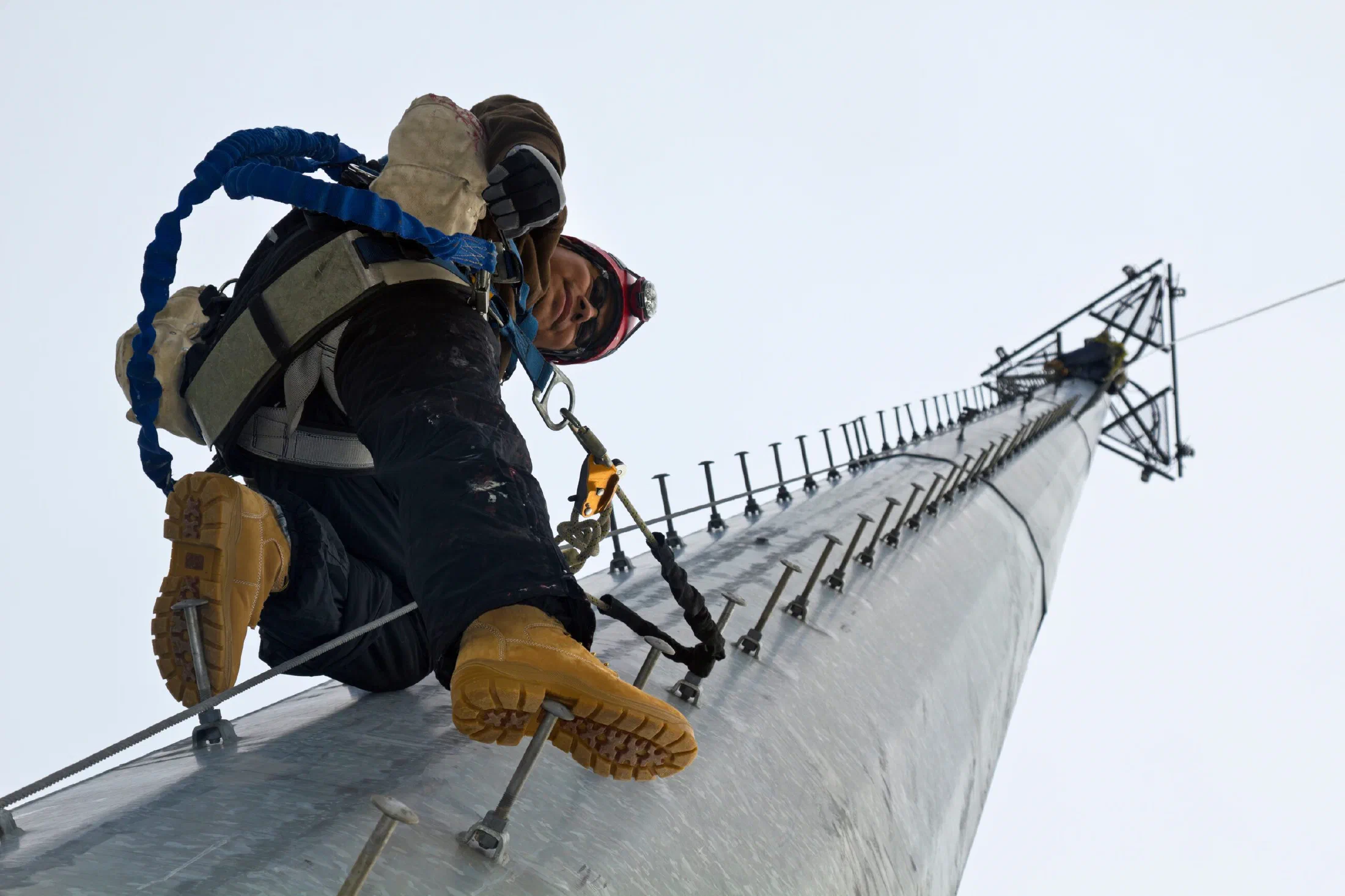
At Alabama Lightwave we use this stack to reach customers through the Oakmulgee National Forest in Bibb County, Alabama. That is real NLOS work, dense pines between the tower and the house, not a clear shot from sector to eave. What follows is not a lab demo. It is the order we use when the forest is the problem.
Rapid deployment LTE is not a product name. It is a way of ordering the work so a wireless ISP, a rural electric co-op, a farm, a mill, or an independent operator can go from nothing to a working private LTE or 5G network in days. The order matters more than anything else: core first, then a real coverage model, then the radios, then the tower. Get that wrong and you will have steel in the air with no core to run it and no honest map of who can be served.
The network comes first
Every cellular network hangs off a core. In LTE that core is the EPC, the Evolved Packet Core. It holds the register of every SIM allowed on the network, decides who may attach and what they may do, anchors each session as a device moves between radios, and carries traffic out to the internet. A radio without a core is expensive metal that cannot complete a session.
This is also where deployments stall. Proprietary cores often cost six figures and arrive wrapped in licensing. The open source alternative, Open5GS, is free and production-worthy, but assembling it by hand used to mean days of config files, kernel networking, and trial and error before the first packet moved.
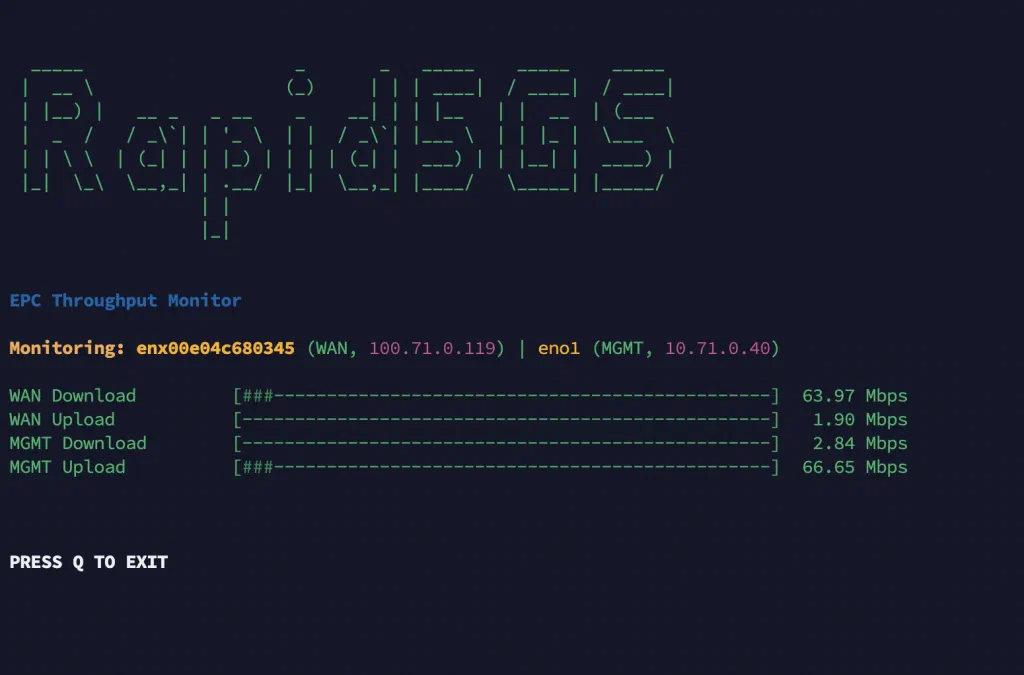
That is why Rapid5GS exists. It is my open source toolkit, GPLv3, that turns a production Open5GS core into a single command. It was built at Alabama Lightwave, our WISP, from the lessons of standing up cores the hard way. It now runs private LTE for operators who could not have justified the old price of entry. Open5GS speaks both the LTE EPC and the 5G core, so the same toolkit that runs your network today can carry it into 5G standalone when your radios are ready. You keep the core; you do not rebuild from scratch.
If you want the full case in one sitting, radios, economics, and Rapid5GS included, this is the talk I give on it:
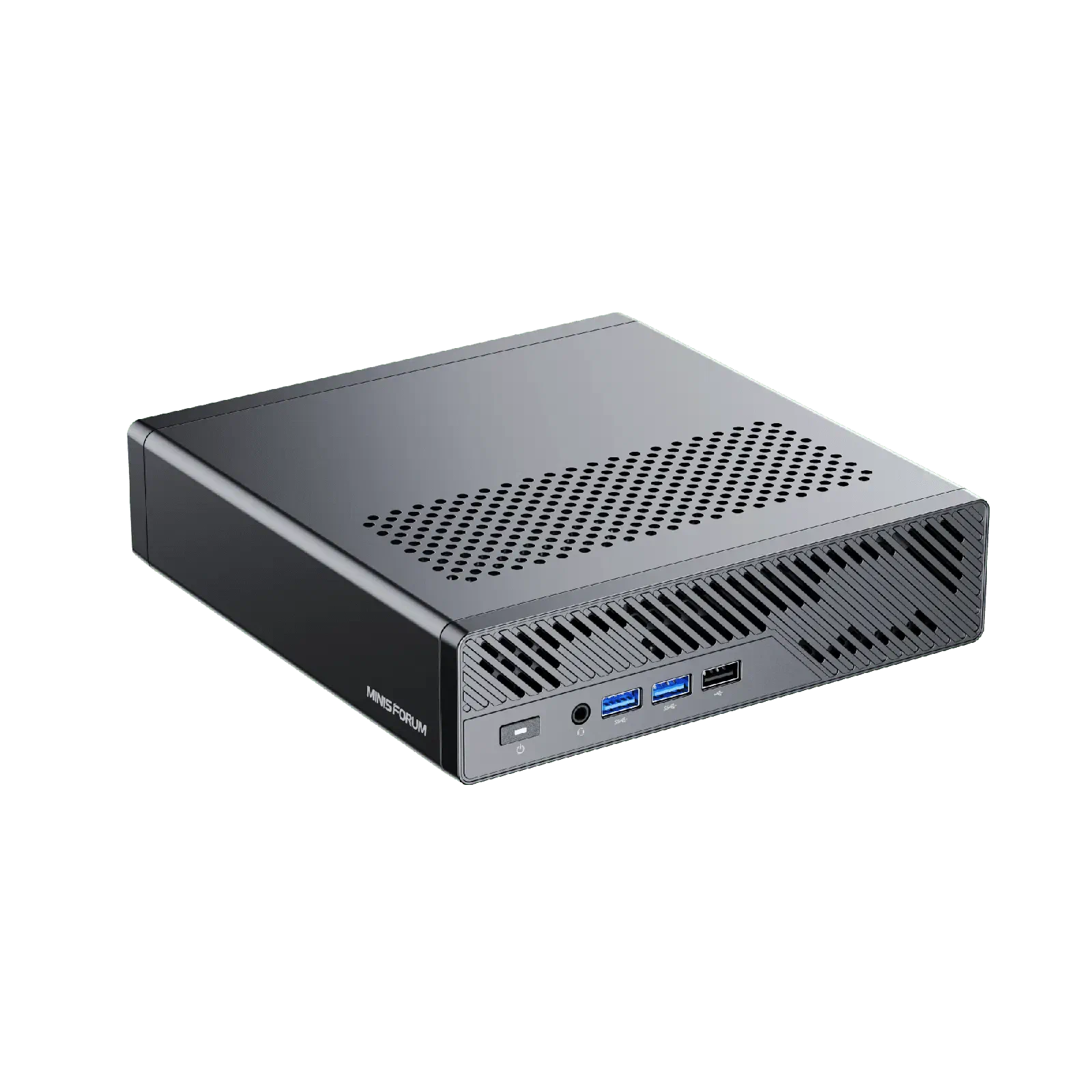
Hardware is straightforward. Any spare x86 box will do on the bench, and proving that is half the point. For the machine you actually deploy, I point people to the Minisforum MS-A2 with 32 GB of memory and a terabyte of NVMe already installed: sixteen cores, two 10-gig SFP+ cages, and a pair of 2.5-gig copper ports. That is the I/O a core wants, in a box that fits on a shelf at the base of the tower. Thirty-two gigabytes and a fraction of that storage is more than a core needs, so it is a buy-once machine with room left over.
Start at a desk, not on a tower. An afternoon gets the core installed, a test SIM registered, and the network proven on a bench, before a bolt is torqued or a crew is scheduled. After that, every later step has something real to test against.
Model the coverage
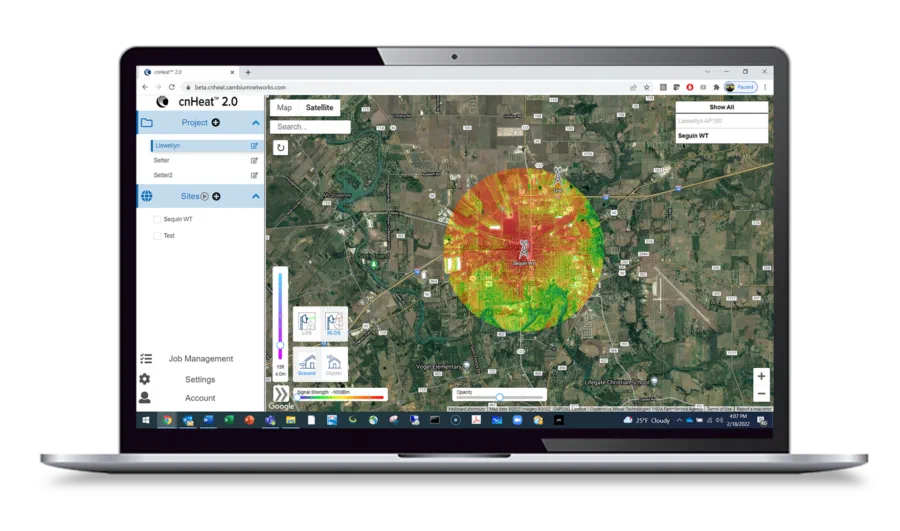
Before you buy a site kit or put a crew on the calendar, you need a defensible picture of what the radios will actually cover. Guessing at NLOS from a topo map is how operators hang three sectors and then wonder why half the county is still dark. Model it first.
The tool I recommend is cnHeat from Cambium Networks. It is a cloud coverage-planning platform built for fixed wireless: terrain, clutter, foliage, and link budgets that match how rural paths really behave, including the forested NLOS cases this guide is for. You run candidate tower sites and antenna configs against real geography and get heat maps you can take to financing, tower companies, and your own board without hand-waving.
For help getting started, email Seth Poche at seth.poche@cambiumnetworks.com. He can get you into cnHeat and walk the first models so you are not learning the tool on the day freight arrives. Do this while the core is still on the bench. The map should drive height, sector count, and where the first customers sit, not the other way around.
Then the radios
With the core running, you need radios. In 2026 the sensible choice for most private LTE builds in the United States is CBRS, Band 48, shared spectrum from 3550–3700 MHz. You do not buy a license at auction. You register the radios with a Spectrum Access System, and it coordinates who transmits where. For many private and fixed wireless builds, it is the practical path.
Prove the radio leg the same way you proved the core: cheaply, on the bench. The Edge Mile keeps a refurbished Baicells 436Q for exactly this, a $725 outdoor CBRS eNodeB that began life locked to the Helium network as a 436H. Each unit is reflashed to standard 436Q firmware, loaded with its HaloB license, and bench-tested under load before it ships. It talks to a Rapid5GS core out of the box. As a first eNB it is ideal: cable it to the core on your desk, attach a test receiver, and watch real traffic move through a network you built end to end before the serious money leaves the building.
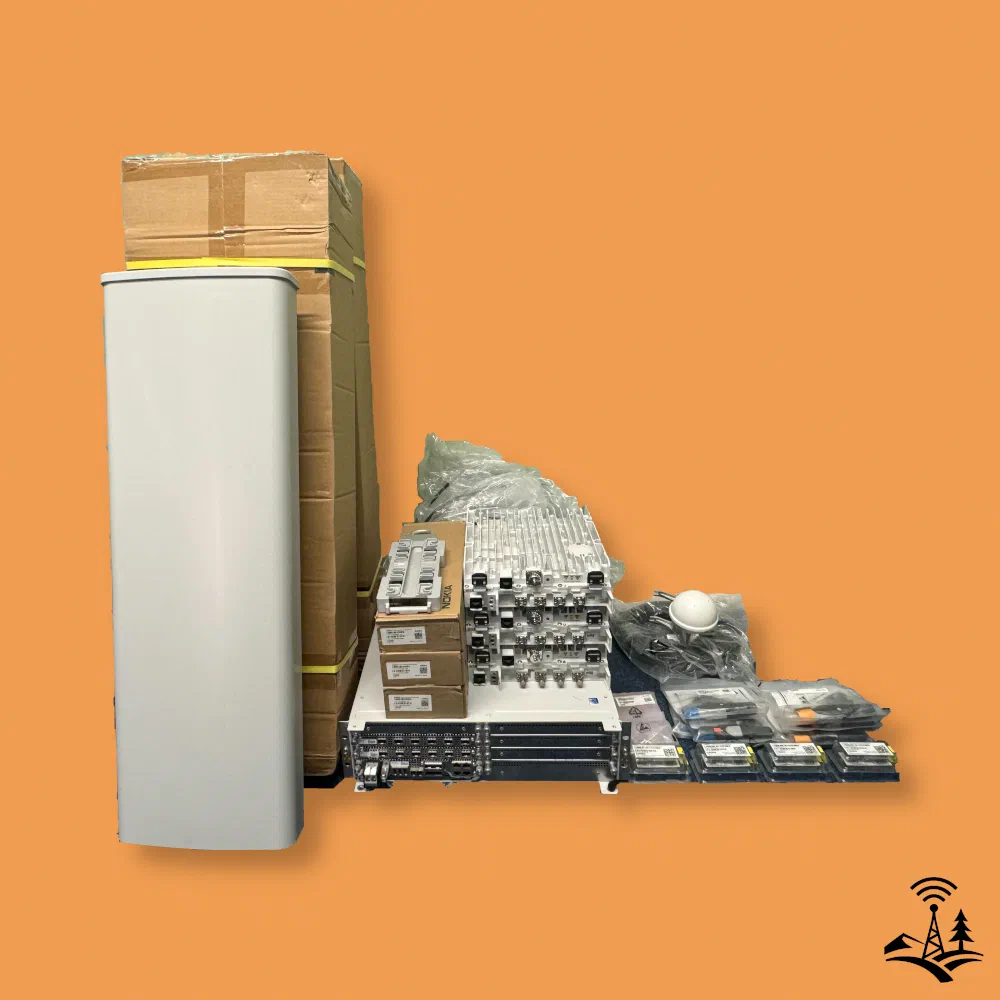
When you are ready for a real deployment, go Nokia. The radio to hang is the AZQC, the 4T4R, 20-watt micro remote radio head from Nokia’s AirScale line. It is carrier-grade equipment, the same class of hardware large operators hang, and the used and surplus market has brought it within reach of smaller operators.
The clean way to buy it is the Nokia AZQC 3-sector CBRS site kit from The Edge Mile. Full disclosure: The Edge Mile is my company, which is why I can vouch for what is in the box. Three tested AZQC radios, 65° sector antennas, the RF jumpers and mounting hardware, and eight hours of remote consulting from working WISP engineers who configure the RAN and connect it to your Rapid5GS core. Twelve thousand five hundred dollars for a complete, tested site would have looked like a typo a decade ago. Operators who already run a Nokia AirScale baseband can add or replace sectors with a bench-tested AZQC micro RRH on its own. Fair warning: the bare radio is an add-on for an existing BBU, not a standalone site. That is the kind of thing a vendor should say before you buy.
The gear at the subscriber’s end
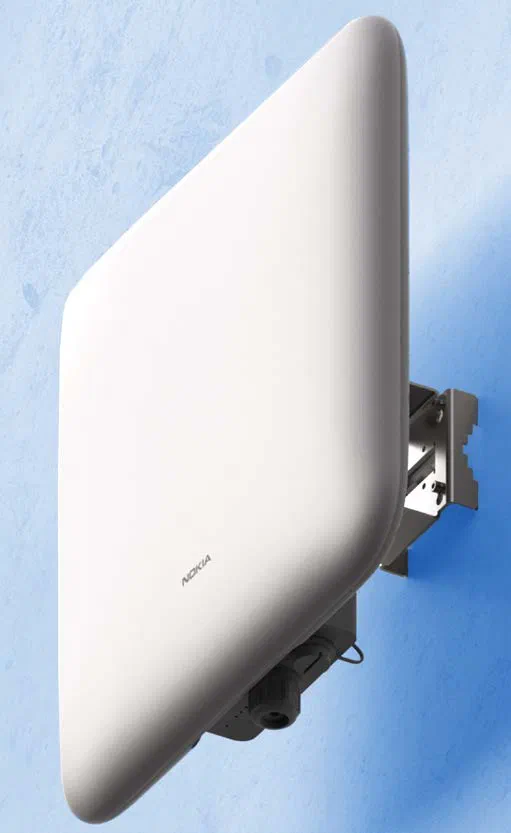
A network is only as good as the radio bolted to the customer’s eave. This is where install quality shows up in support tickets. My advice is simple: pick one receiver, make it a good one, and stock every truck with the same box.
That receiver is the Nokia FastMile 5G16-A high-gain receiver, distributed by Winncom. Ask for Polina Sorg; she knows this hardware and will get you a quote quickly. The 5G16-A has a high-gain directional antenna, a 3GPP Release 16 modem, and carrier aggregation across 4G and 5G bands. A phone app aims it during install, which turns a finicky job into a repeatable one. Close-in customers get headroom. Customers at the end of a tree-lined county road get the long shot this radio was built for. Because it is a 5G-capable receiver, the house gear is ready when the core and radios move to 5G. You upgrade the middle of the network without rolling a truck to every customer.
Do not forget SIMs until Thursday. Baicells SIMs, also from Winncom, come in packs of one, ten, or a hundred and work well for private LTE. If you want SIMs with your own name, CableFree will cut custom-branded cards in full-size through nano, in the volumes a project actually needs.
Spectrum, power, and the path down the tower
Three quieter pieces decide whether the rest of the site works: who coordinates your spectrum, what powers the radios, and how signal gets from the top of the tower to the bottom.
For the Spectrum Access System, I use Federated Wireless, bought through CTI. They are a Federated reseller. Ask for Jeff Broadwick or Marc Negri. Either one will get your SAS account stood up and your radios registered and granted. When a question needs a specialist, they walk you to the right people at Federated. Keep those names after the spectrum conversation, because CTI also sources the unglamorous hardware that keeps a site honest: DC plant, the rectifiers and batteries that feed carrier-grade radios the clean negative-48 volts they expect, and hybrid fiber breakout cabling that carries power and fiber up the steel and splits cleanly to each radio. Nobody writes poetry about breakout cable, but the first ice storm will tell you whether you bought the right kind.

Paying for it
None of this matches the old six-figure core prices, but a full site still costs real money: core, radios, receivers, steel, and a crew day. Rural operators rarely write one large check without flinching. There is help for that. Talk to Noreen Rucinski at Schneider Rucinski Enterprises. She finances these purchases, the core and the hardware both, and can structure a deployment so the network starts earning before every invoice has cleared. Spreading the cost is often the difference between building this quarter and studying it for another year.
Then the tower
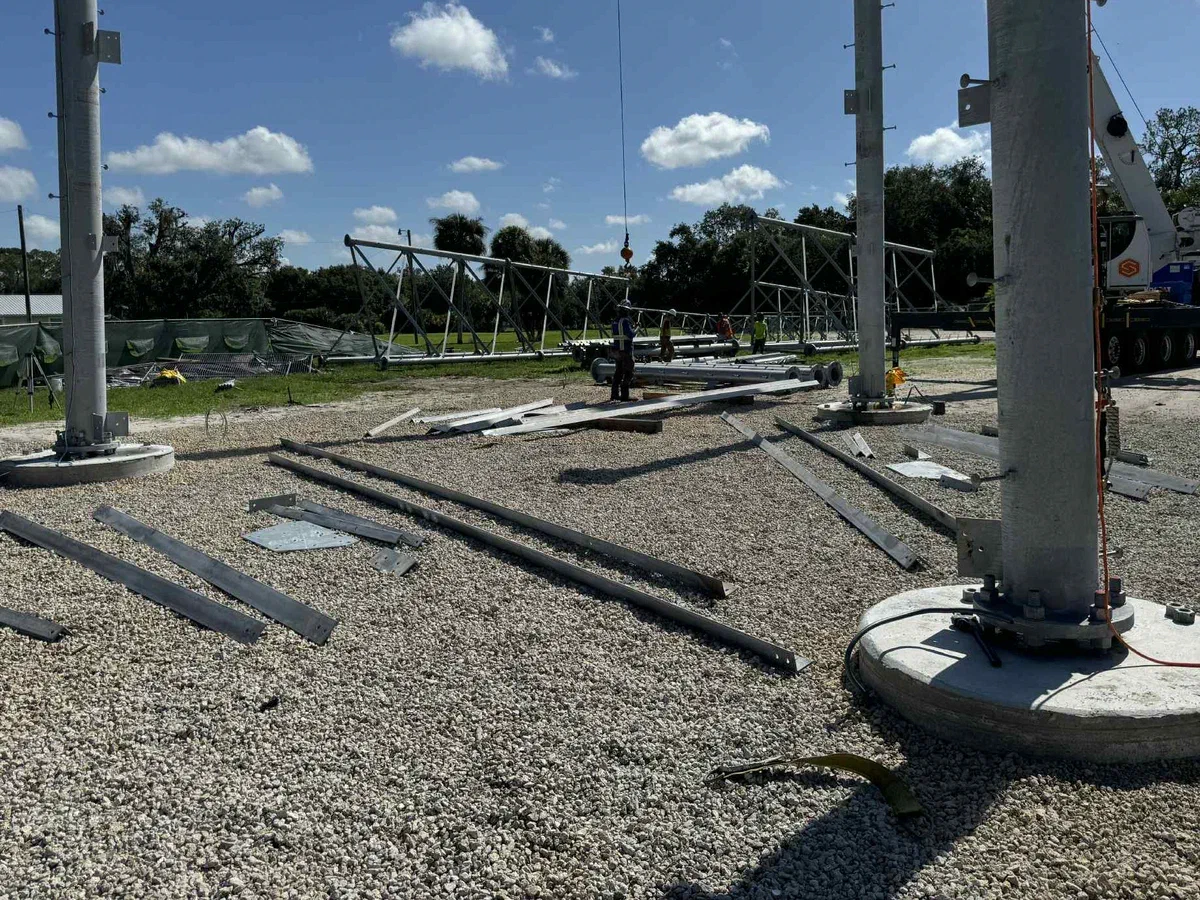
Here the rebel spirit has to give way to professionalism, a point made at length elsewhere on this site. The core can live on a bench and the radios can arrive by freight, but somebody has to put steel in the air. At three hundred feet, the difference between a professional crew and an enthusiastic friend with a harness is measured in lives, lawsuits, and towers that fail.
For that work, use Vertical Axis. They are a full-service tower contractor with civil, steel, and RF crews in-house: one contract and one phone number instead of five subcontractors trading change orders. Their work is scoped to the real codes, TIA-222 structural standards and R56 grounding among them, and every visit closes with documented photos and measured values an engineer or insurer can use. Crews stage out of Alabama and Texas and mobilize nationwide. They have hung iron for Alabama Lightwave, so the recommendation comes from a customer, not a brochure.

The week, end to end
In order, the timeline is ordinary rather than heroic. On the first afternoon the core comes up, on the bench or on the MS-A2 that will run it for real, and a test SIM registers against the 436Q on your desk. While that is settling, run the first cnHeat models with Seth so tower height, sector count, and customer clusters are numbers instead of hopes. The site kit ships while Vertical Axis gets the site on the calendar and CTI stands up your Federated SAS account. Consulting hours with the kit cover RAN configuration and spectrum grants, so that work happens while freight is moving. Receivers and SIMs arrive from Winncom in the same window. The crew day puts three sectors in the air, fed by real DC plant, grounded and documented. That evening the first receiver attaches and a speed test confirms what cnHeat already said. Weather and freight will bend any schedule, but the shape holds: days, not months, and nothing on the critical path that you cannot control or inspect.
Why this stack holds up
Every piece is standards-based 3GPP infrastructure. That matters more than brand stories. The core is open source and yours: no license expires, no vendor sets your roadmap on an earnings call. The radios are carrier-grade Nokia hardware from a deep global market, not a proprietary boat anchor waiting for its EOL notice. The spectrum is shared and coordinated instead of auctioned only to the largest buyers. The path does not stop at LTE. The same core software, the same SAS relationship, and receivers like the 5G16-A already point at 5G standalone, so the network you build this month can grow into the one you run later. When something fails, you replace that piece, not the whole network. That is what owning your infrastructure means, and it is available now to operators of nearly any size, including places the big carriers will never bother to serve.
Where to start
Start where the network starts. Run the Rapid5GS installer on a spare machine this week and watch a mobile core come up on your desk. It costs nothing and teaches more than a month of vendor calls. Email Seth Poche for cnHeat so the coverage map is real before you spend on radios. When you are ready for those radios, The Edge Mile has the bench eNB and the tested site kit. When you are ready for spectrum and power, CTI has the Federated SAS and the site hardware. When the checkbook is the holdup, Noreen has the financing. When you are ready for steel, Vertical Axis has the crews.
Or bring a guide
Some operators want a checklist. Some want someone who has already made the expensive mistakes. If you would rather not learn every lesson the hard way, I take a limited number of consulting engagements on exactly this work: network design, spectrum strategy, bill of materials, SAS grants, and commissioning the core, from the first sketch to the first attached subscriber. I run these networks for a living, not as a demo.
Tell me what you are building and where it hurts. I will tell you honestly whether I can help, and what it costs if I can.
Thank you.
Your note is on its way to my inbox. Consulting inquiries go to the top of the pile, so expect to hear from me quickly.