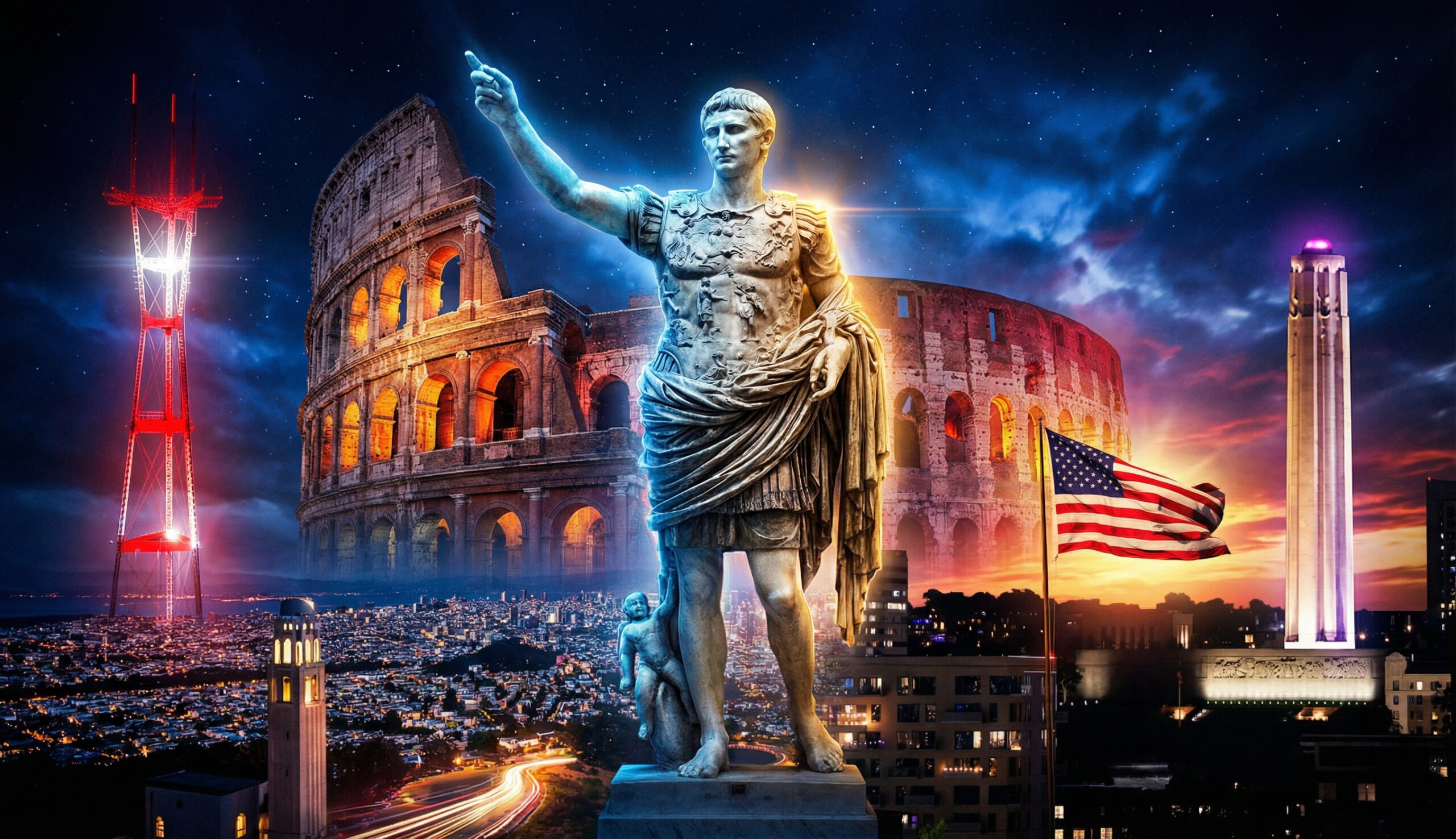
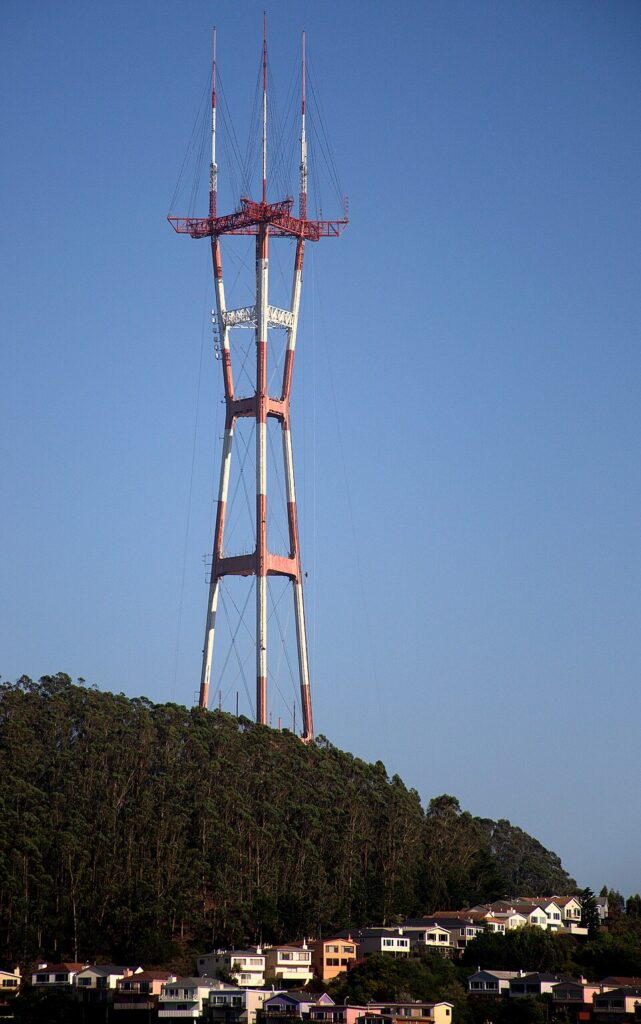
Somewhere in San Francisco right now, someone is sitting in a tattoo chair getting Sutro Tower inked on their arm.
Not the Golden Gate Bridge. Not Alcatraz. A 977-foot steel broadcast tower on a hill. Permanently needled into human skin, because fifty years of standing there, tall, lit, impossible to ignore, turned infrastructure into something people claim as their own.
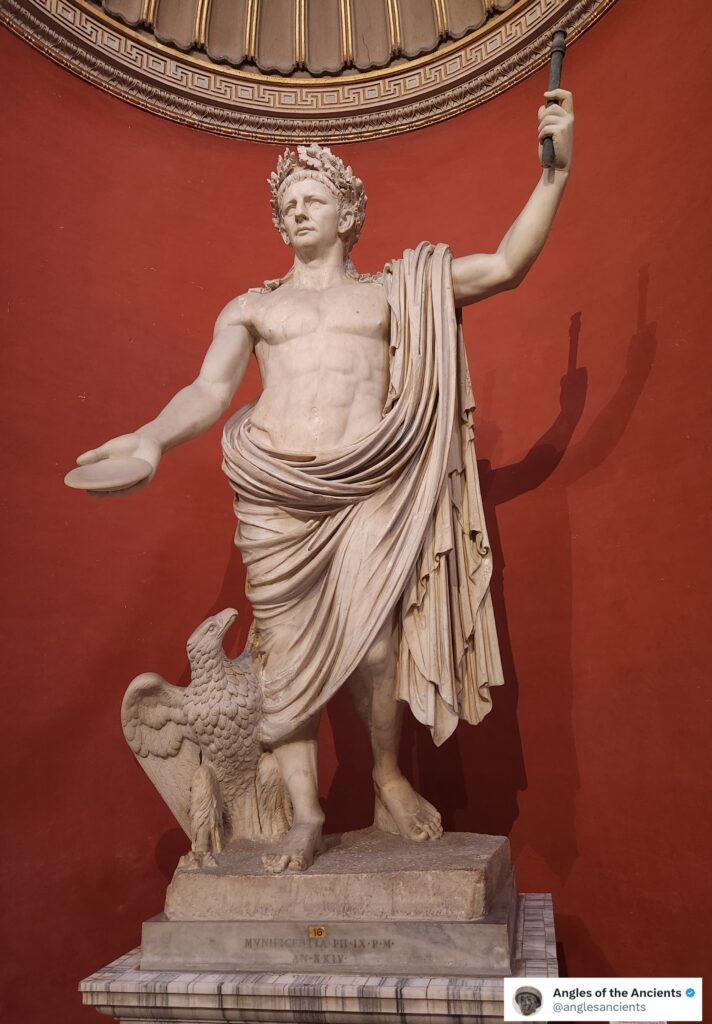
People do not tattoo utilities on their bodies. They tattoo meaning. They tattoo monuments. The Romans knew the difference two thousand years ago. They did not hold the known world by marching in, planting a flag, and hoping the locals fell in line. They conquered territory and imposed the will of the emperor, and then they made sure nobody could forget it. Statues of the generals who had subdued them. Statues of the emperor himself, watching from the forum. Temples. Altars. Icons of Roman gods raised in the middle of conquered towns. Stone faces and stone names that said, loudly and permanently, we are here, we are watching, and we are not going anywhere.
Most WISPs do the opposite. They slip into a market quietly, sign up a few hundred customers, and operate like a ghost.
We are hiding in the woods. And it is killing us.
I know, because I have been doing it myself.
Over at Alabama Lightwave, I have been operating towers for years. Infrastructure visible for miles. Customers who depend on me, communities I have connected, markets I have fought hard to build.
I have had some real wins. I partnered with Gray Media and Birmingham’s WBRC Fox 6, placing weather cameras on my towers alongside Chief Meteorologist Wes Wyatt. Every time a storm rolls through and Wes pulls up that feed on the evening news, my tower is doing something the community can see.
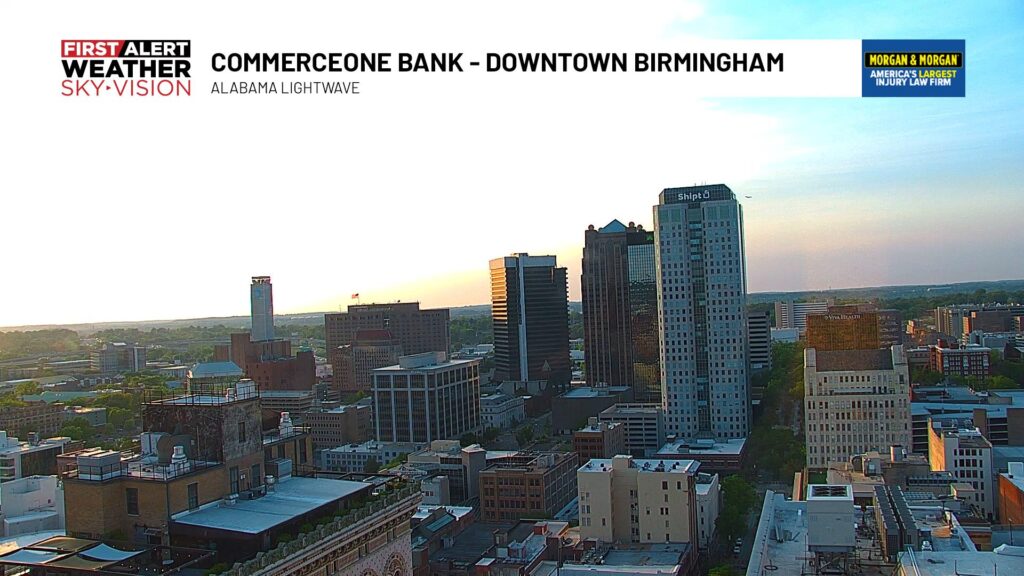
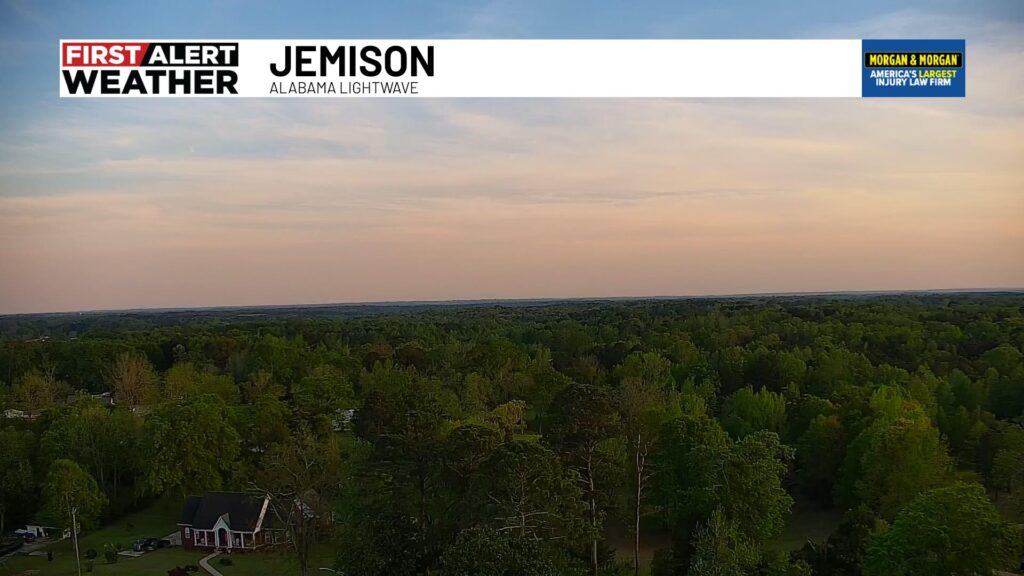
That is presence.
But it is not enough. I feel the instinct is right, but it did not push me to do what I should have done years ago.
Territory Without Monuments
Territory without monuments is vulnerable territory. The moment a fiber overbuilder, a Starlink ad, or a better-funded competitor rolls in, you’re in trouble. Your customers have no reason to feel loyalty to something they can barely see. You are a utility. Utilities get replaced unless they become part of the town’s identity.
A garrison on a hill changes how people think about who owns the valley below. Your towers, your trucks, your brand: these are your garrisons. Are they on the hill, or hiding in the tree line?
The people who ruled the air before us knew all of this already.
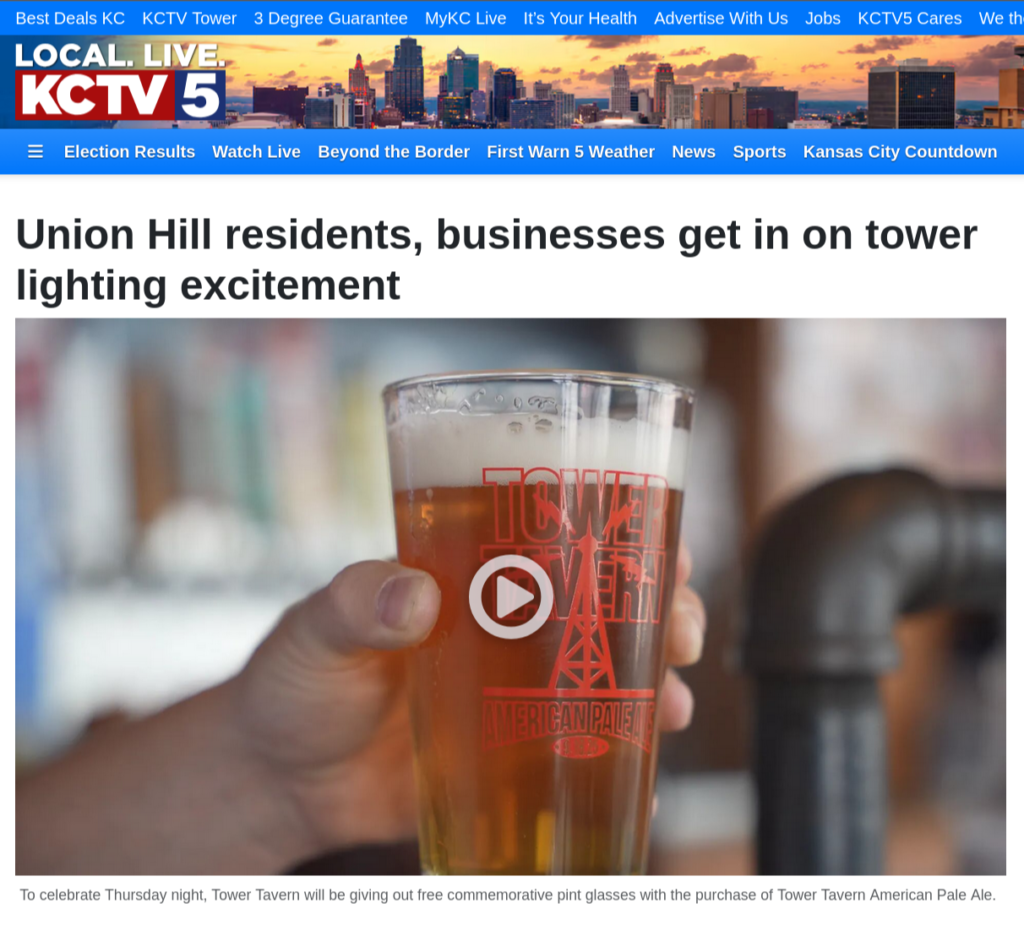
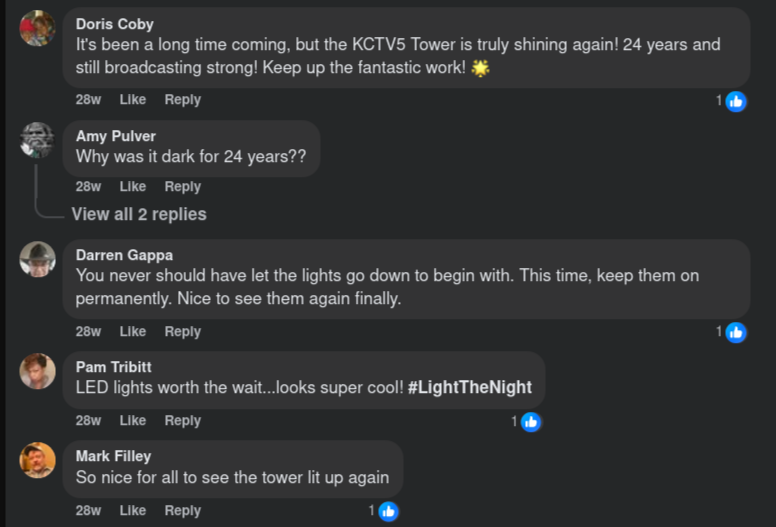
In Kansas City, the KCTV5 tower stood 1,042 feet over the skyline and flashed coded light patterns every night for years. Generations of Kansas Citians read the next day’s weather by watching their television tower. When it went dark in 2004, people mourned it. A nonprofit was founded to have it relit. For twenty years, viewers wrote in. When it was finally relit on September 18, 2025, the mayor flipped the switch at a public ceremony.
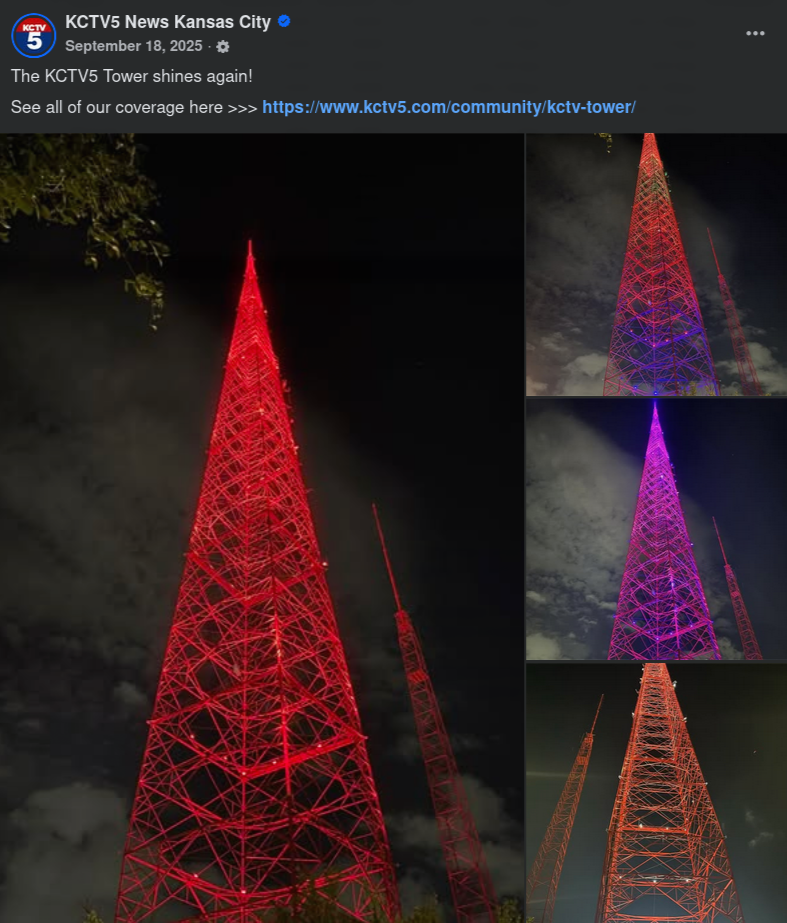
A local bar made commemorative pint glasses.
For a tower with lights on it.
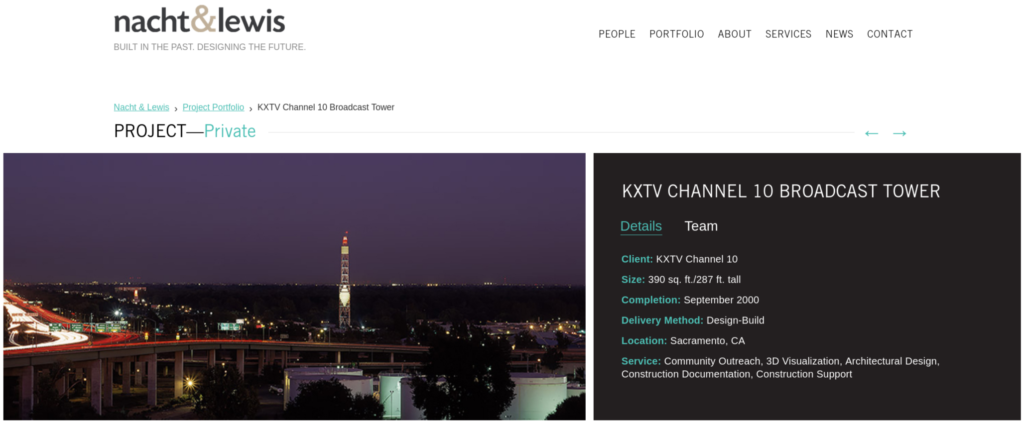
In Sacramento, KXTV Channel 10 designed their broadcast tower as public art from the beginning, triangular steel with vibrant colors and nighttime illumination, built to function as a landmark as much as a transmitter. Reportedly the first of its kind in North America.
And then there is Sutro Tower. Nobody set out to make it a cultural icon. It became one through sheer presence, tall, visible, impossible to ignore for fifty years. A local magazine uses it as their logo. And people get it tattooed on their skin.
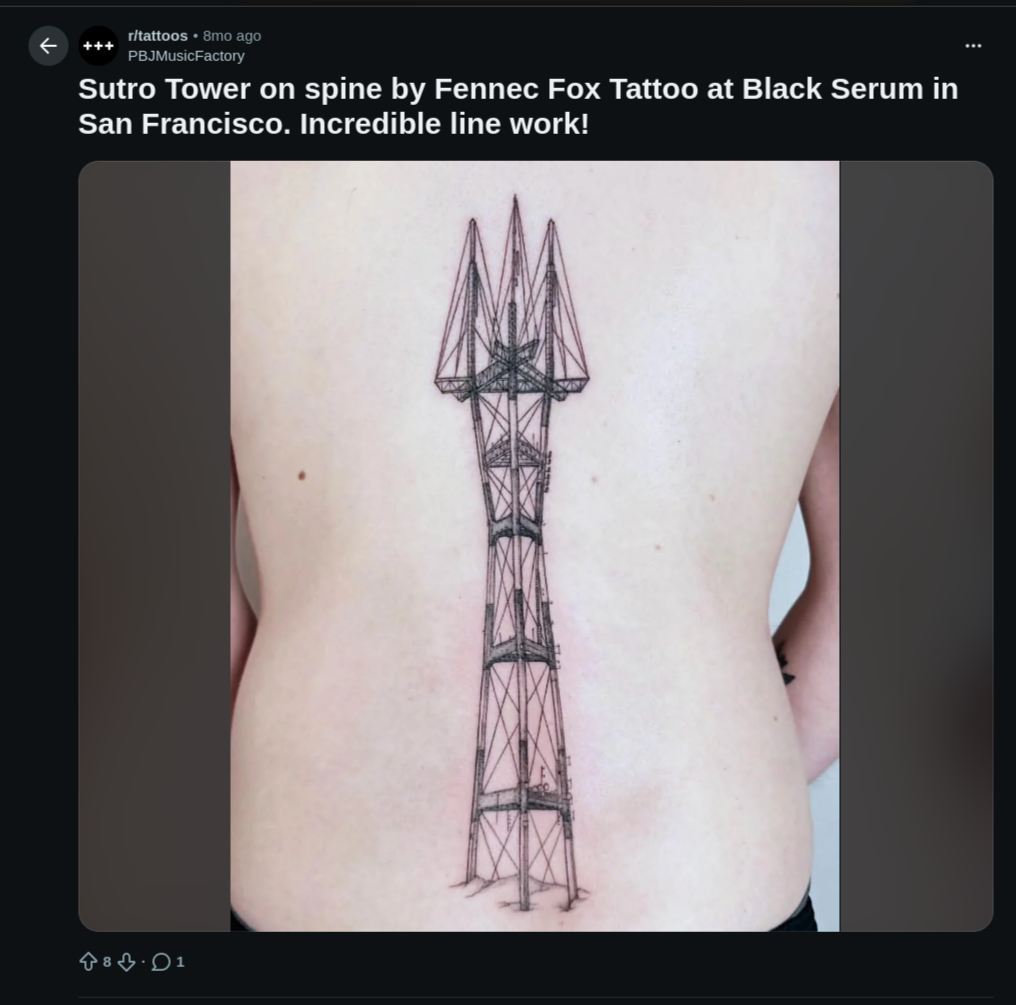
That is what happens when a tower stops being infrastructure and becomes a landmark. When something is visible long enough that a community begins to think of it as theirs.
That is what we have been leaving on the table.
Learning From Our Co-Op Competition
The electric cooperatives have been routing us for years, and not on price or speed. On presence. Eighty years of branded poles in every yard, their logo on every bill, their trucks on every county road. When they ran fiber, they did not sneak it in. Ribbon cuttings. Press releases. Branded conduit. By the time the first customer was connected, the cooperative already owned the mental real estate.
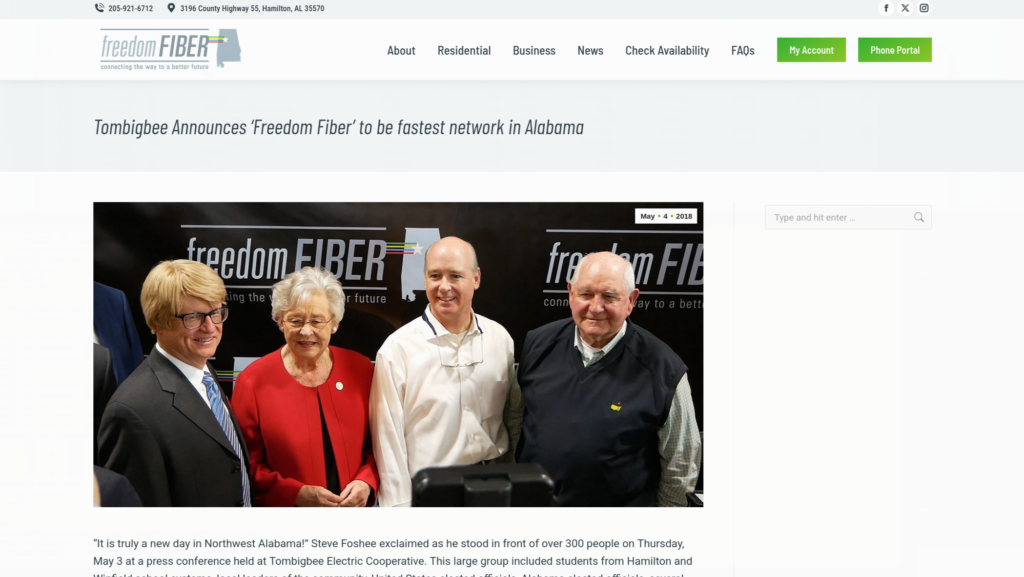
WISPs show up invisible and wonder why loyalty is thin.
But someone out there is already getting this right. There is an operator who needed a new tower site and instead of putting up another tower, raised a giant American flag. A proper flagpole monument, visible from the highway, with a disguised small cell underneath. The community sees the flag. They feel good about it. It’s infrastructure that contributes to the city while also improving connectivity at the same time.
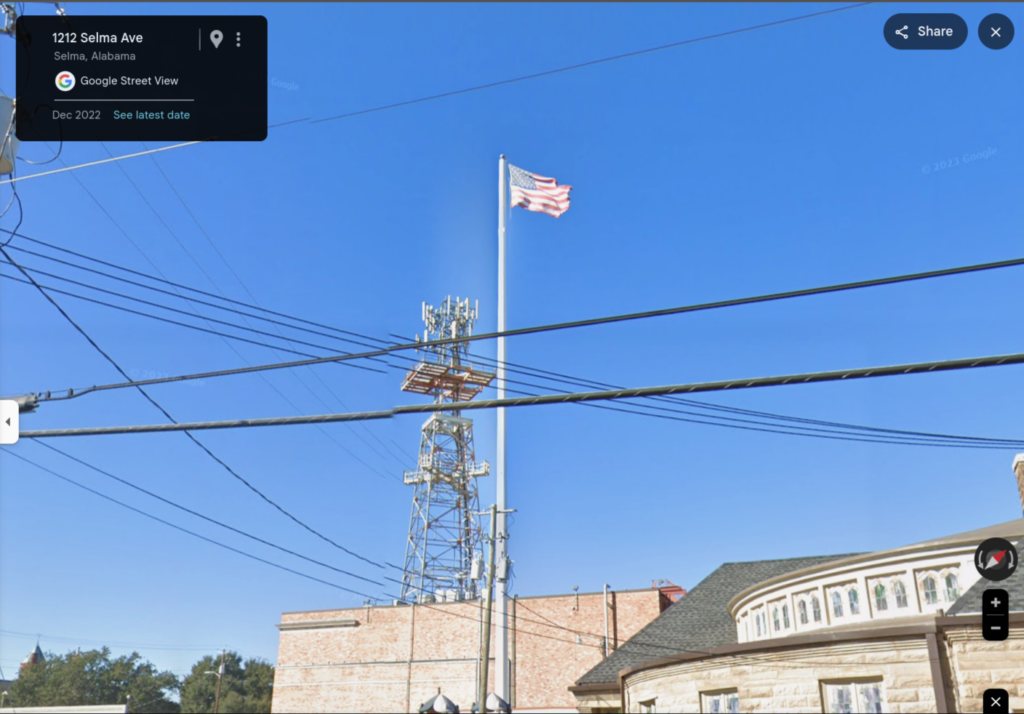
That is the garrison on the hill. And it is one example of what a WISP monument can look like. Another example would be a tower with your logo lit up and visible from the highway. Or perhaps wrapped trucks that turn heads at the gas station. A Facebook page that becomes the first place locals go when the power cuts out. Your name on the scoreboard, your banner at the little league field. A weather camera feeding the evening news.
These are not luxuries. They are fortifications.
It’s Time To Put Our Logo On A Tower
I haven’t found a single documented example of a WISP making an illuminated tower logo part of its brand strategy. Other industries solved the underlying problem a long time ago. Broadcast towers, co-ops, even a simple flag on a tall mast all do the same thing. They take infrastructure and make it visible. They build something people can point at and remember. I backed into that idea through a weather camera deal and saw the effect immediately. The tower stopped being invisible. It became part of the landscape. But no one in our space has taken the next step and gone all in – at least that I can find online – which brings my point home in stunning clarity. Deep research agent assistance from Anthropic, xAI, and OpenAI also came up cold.
A lit logo high on your tower overlooking your primary market would likely be the first of its kind, at least anywhere I can find documented in the WISP world, and the first operator to do it owns that idea. I’m putting this out in the open because I’d rather see someone execute it than watch it sit as a thought. Put your logo on your tower. Light it so you can see it from the highway at midnight. Make it something a kid notices from the back seat or that your entire town buzzes about on Facebook.
Now, I may be asking for something technically hard. I have no idea what it takes to mount and power an illuminated logo fifty or a hundred feet up on a telecom structure. And I am sure the construction challenge is only the beginning. Zoning boards will have opinions. Light pollution studies may be required. The FAA will almost certainly weigh in. Local permitting will vary wildly. This is not just an engineering problem. It is a legal one, a regulatory one, and probably a political one in some counties.
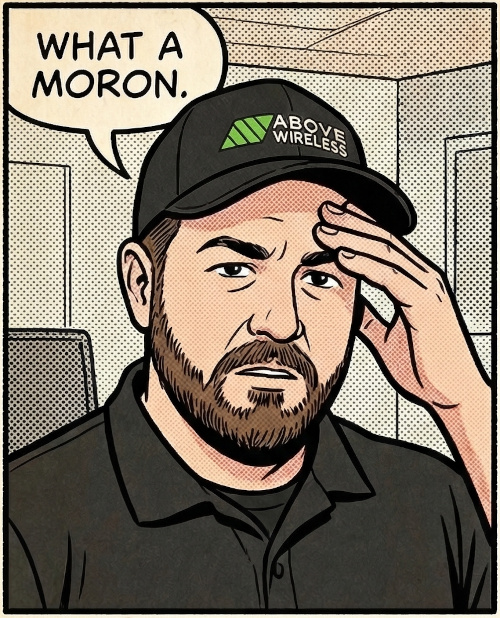
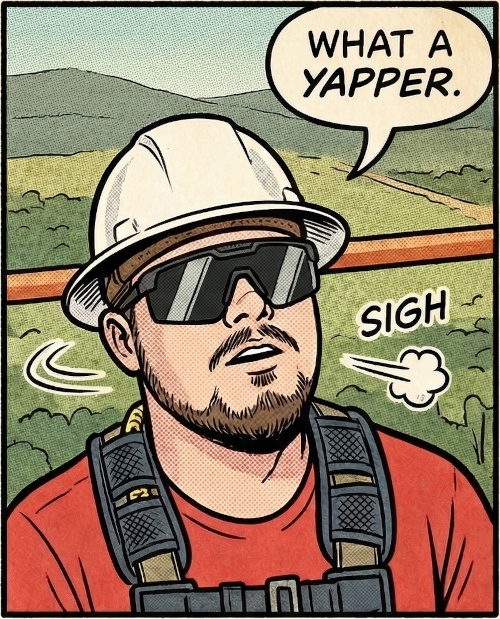
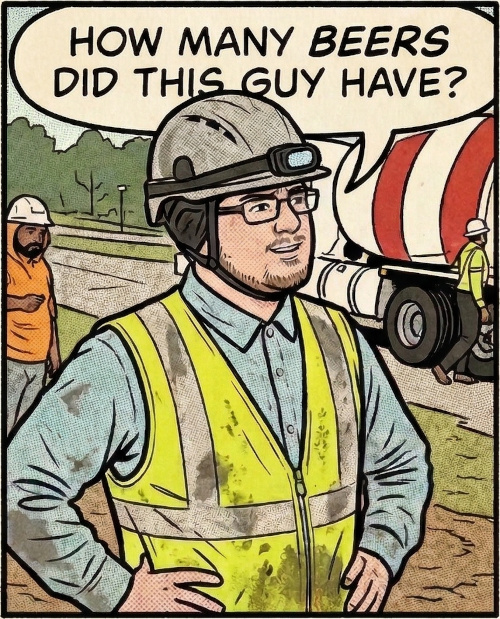
I will leave HOW it gets done to people who actually know what they are doing, people like Tommy Waldrop, Gage Pottorff, and Jeff Little. I have not told any of them my plans. They may read this and think I have lost the plot entirely. Here’s what I’m guessing they’re thinking right now as they read this:
That is fine. It will be hard. That does not make it less worth doing.
One Last Thing
This whole piece was inspired by a quote from N.T. Wright. He has spent decades studying how Rome held power across vast territories without a soldier on every corner. He has probably never heard of a WISP. But in Simply Christian, he wrote this:
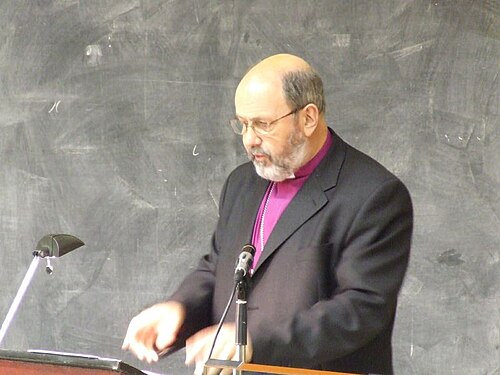
“Rulers often set up statues of themselves in prominent places, not so much in their own home territory, where everyone knew who they were and recognized that they were in charge, but in foreign or far-flung dominions.”
That quote is what got me thinking about monuments in the first place. But Wright is the kind of writer who rewards a second read, and a third. On the third pass I noticed the load-bearing word is “not“.
The emperor did not need a statue in Rome. Everyone there already knew who he was. The statues went where the empire was thinnest. Where a subject might go a week without thinking about who ruled them. The further from the capital, the more the monuments mattered.
Your territory is the frontier. The towns you serve are the far-flung dominions, the places where your name means nothing and a co-op truck with a clean logo means everything.
Bring Rome to the frontier.
We have been invisible long enough.
Go build something people can see.
Sources
Sutro Tower, San Francisco
“Sutro Tower.” Wikipedia. https://en.wikipedia.org/wiki/Sutro_Tower
Langan, Nick. “Stories From Sutro Tower.” TV Tech, October 2025. https://www.tvtechnology.com/features/stories-from-sutro-tower
KCTV5 Tower, Kansas City
“KCTV Broadcast Tower.” Wikipedia, last modified January 29, 2026. https://en.wikipedia.org/wiki/KCTV_Broadcast_Tower
“KCTV5 Tower Shines Anew.” City of Kansas City, Missouri, official press release, August 20, 2025. https://www.kcmo.gov/Home/Components/News/News/2593/1746
“KCTV Tower Shines Bright Again.” TVNewsCheck, September 26, 2025. https://tvnewscheck.com/tech/article/kctv-tower-shines-bright-again/
“Modern Lighting Revives a Kansas City Landmark.” inside.lighting, September 25, 2025. https://inside.lighting/news/25-09/modern-lighting-revives-kansas-city-landmark
“History Rekindled: Iconic KCTV5 Tower Shines Again Over Kansas City Skyline.” KCTV5, September 19, 2025. https://www.kctv5.com/2025/09/19/watch-history-rekindled-iconic-kctv5-tower-shines-again-over-kansas-city-skyline/
“KCTV Tower Will Light Back Up (For Good) on September 18.” IN Kansas City Magazine, September 16, 2025. https://www.inkansascity.com/innovators-influencers/local-news/kctv-tower-to-be-relit-for-good-on-september-18/
Diaz-Camacho, Vicky. “A Quick History Lesson on the TV Tower Near 31st and Main Street.” Flatland KC / curiousKC. https://flatlandkc.org/curiouskc/curiouskc-a-quick-history-lesson-on-the-tv-tower-near-31st-and-main-street/
KXTV Channel 10 Broadcast Tower, Sacramento
“KXTV Channel 10 Broadcast Tower.” Nacht & Lewis Architects. https://nachtlewis.com/project/kxtv-channel-10-broadcast-tower/
N.T. Wright
Wright, N.T. Simply Christian: Why Christianity Makes Sense. New York: HarperOne, 2006. p. 37.
WBRC Fox 6 / Gray Media
WBRC Fox 6 is operated by Gray Television in Birmingham, Alabama. Wes Wyatt serves as Chief Meteorologist. Weather camera partnerships between local broadcasters and independent tower operators are standard industry practice.
Enjoyed this article?
Enter your email below to get notified when new posts go live.
Leave a Reply