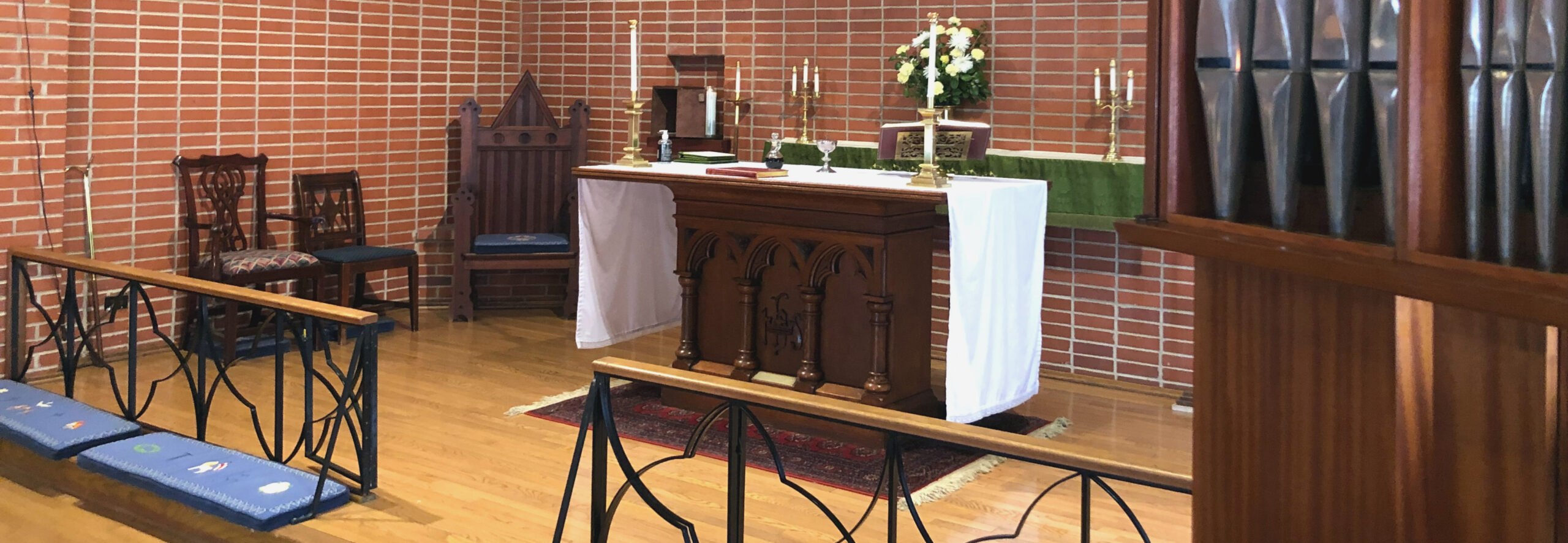
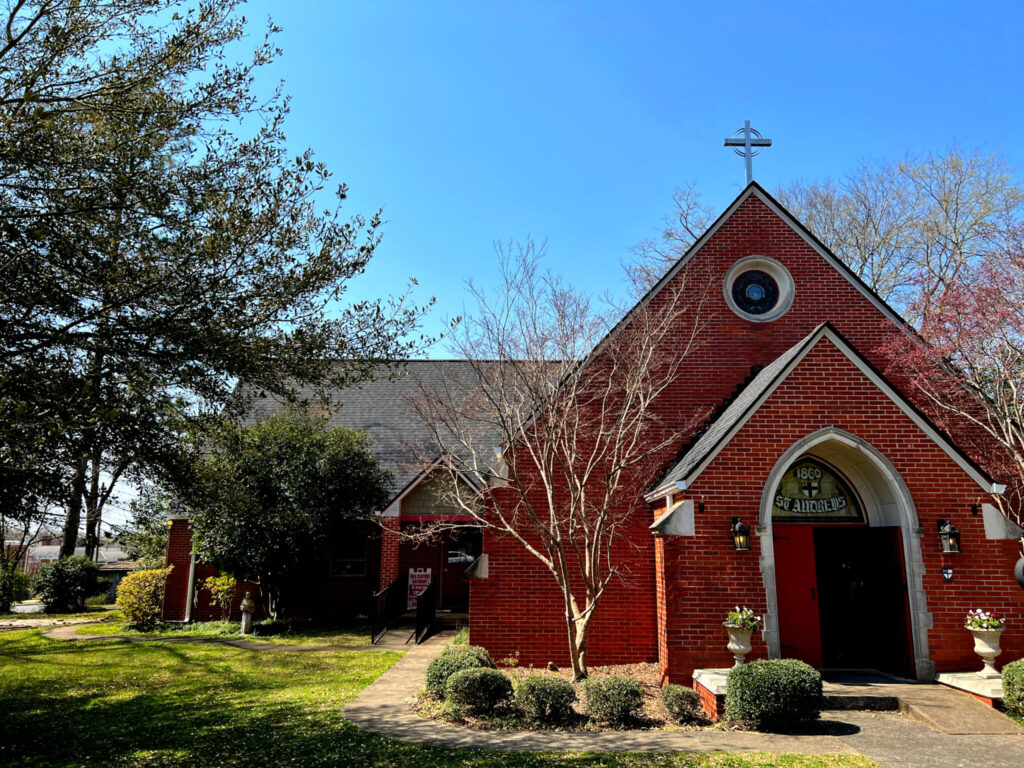
At St. Andrew’s Episcopal Church in Montevallo, where I serve on the vestry, we recently completed another priest search. A new priest will stand at our altar next month.
Transitions like that carry a quiet weight. You grow accustomed to a particular voice carrying the Eucharistic prayer. You come to recognize the cadence of someone’s pauses, the way they hold silence, the way they lift the bread. The structure of the service remains the same, yet the experience settles differently in you.
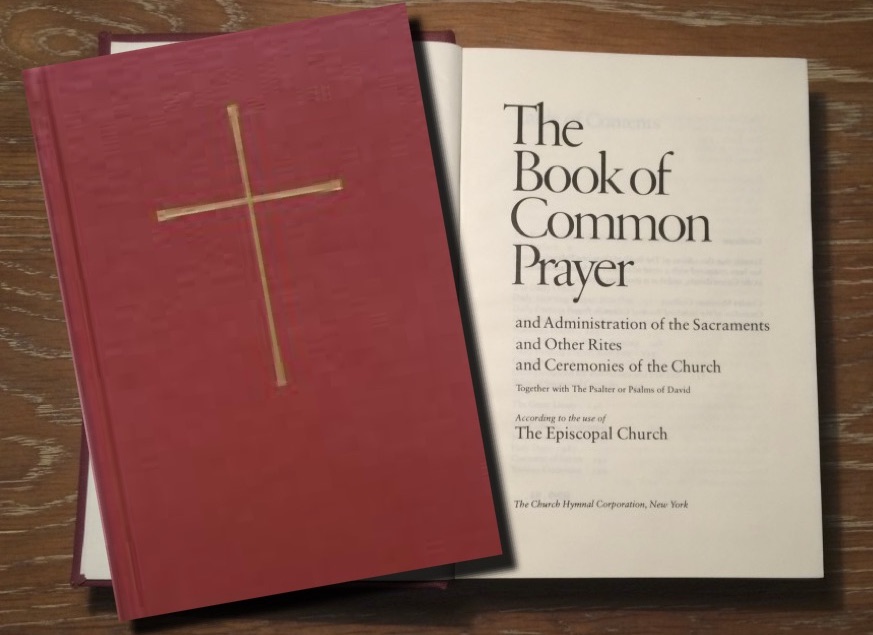
In the Episcopal Church, the priest inherits the liturgy. The Book of Common Prayer provides the form. The confession, the prayers, the Eucharist are not improvised. They have been spoken for generations.
It is the same sheet of music, if you will. And yet no two priests ever “play” it the quite same way.
A phrase lands with unexpected gravity. A pause stretches just long enough to let the room breathe. The gestures at the altar carry a slightly different tone. The words remain constant, but the meaning feels newly alive.
Over the past year we have felt that contrast at St. Andrew’s. We said goodbye to one priest, welcomed several supply priests, and now prepare to receive someone new. The differences between each both subtle and significant. Even my children noticed the differences. One of them recently mentioned a small gesture during the Eucharist that stayed with them from a visiting supply priest long after the service ended.
That observation from my son lingered with me. Still rattling around in my head tonight.

George Lucas once said about Star Wars in a DVD bonus feature that “It’s like Poetry … it rhymes.” I have come to see the rhyming patterns he describes everywhere. Life repeats its themes in different settings. I touched on this before when reflecting on WISPA and the idea of covenant and community. The forms change. The underlying patterns remain.
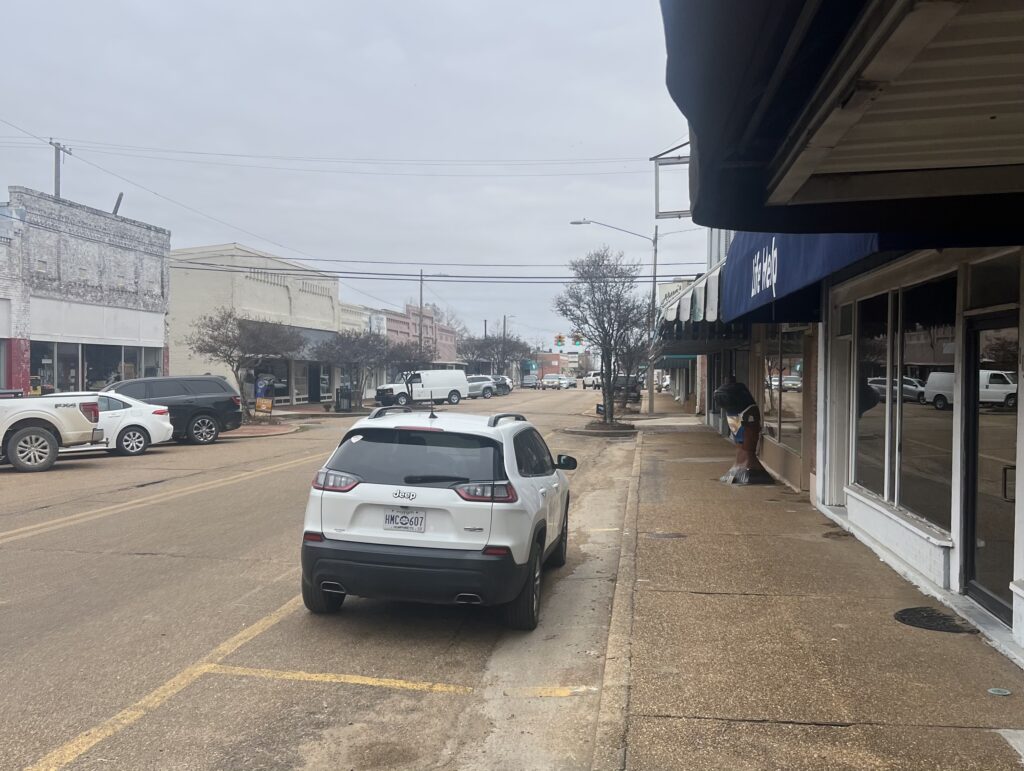
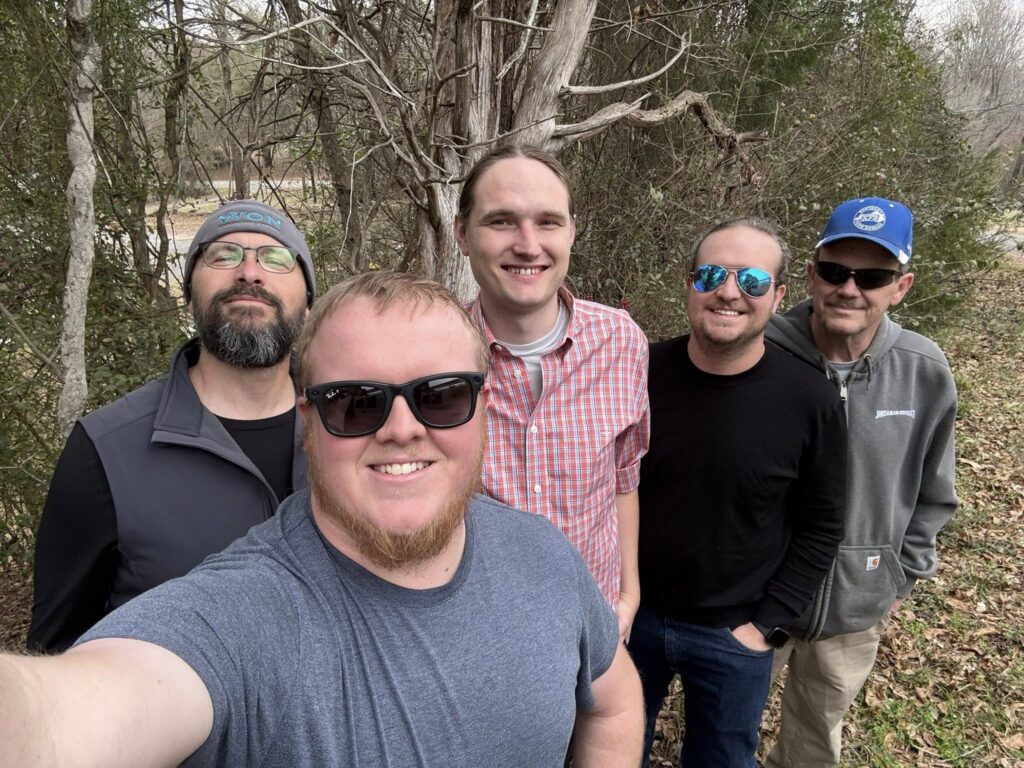
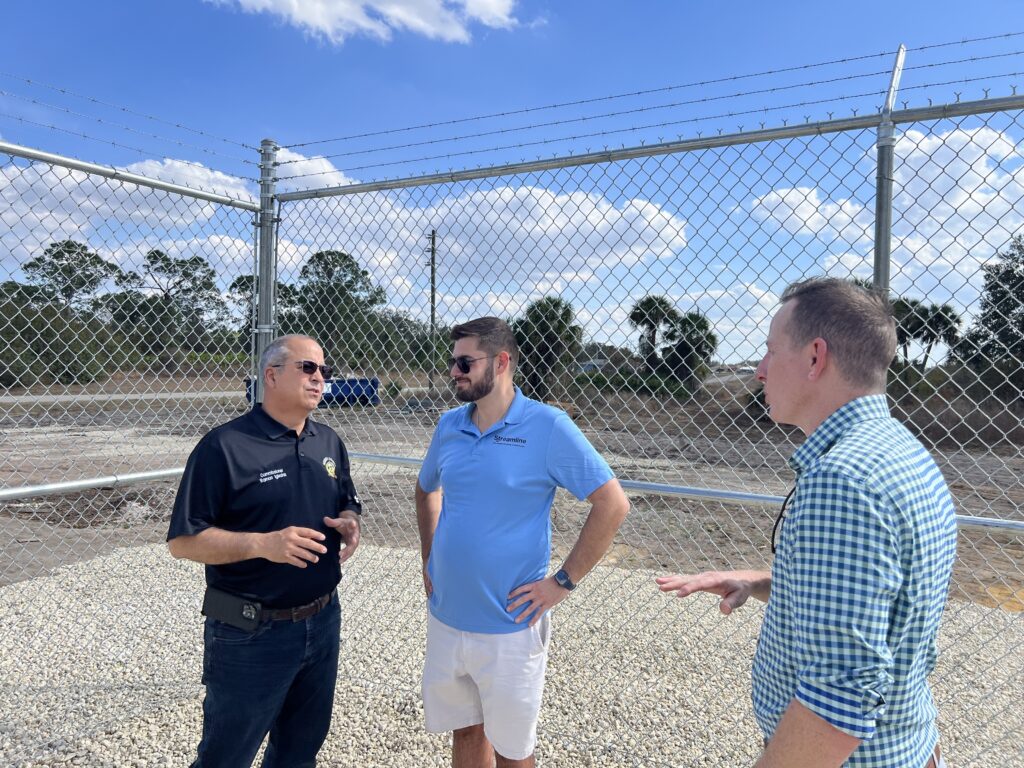
Over the past several months I have had the privilege of spending time with ISP operators in very different contexts. We walked networks in Belzoni. Later, operators came to central Alabama and spent time with us. Just last week I was in South Florida with two seasoned builders whose experience spans decades.
Each visit felt like stepping into another parish.
The fundamentals were familiar in every place. Radios on towers. Fiber feeding backhaul. Spectrum carefully managed. Routers moving traffic without fanfare. The same problems we all wrestle with daily.
One operator deploys Tarana. Another fiber. Still another deploys Nokia. Each will tell you they are using the right tools in the toolbox. The equipment choices differ, the architectures vary, the vendor relationships shift. But in the end they are chasing the same thing: reliable connectivity delivered with integrity.
The same business. And yet the culture in each place felt distinct.
Belzoni carried the feel of a network grown alongside its town, each expansion tied to a story. Our guests from Kentucky and Missouri brought the discipline of agricultural country — long rural stretches, weather that tests infrastructure, communities where reputation travels faster than fiber. In South Florida, the rhythm quickened under density and competition, where markets move fast and missteps are costly.
The sheet music was familiar. The tempo was not.
Each operator carried his own cadence, and culture followed.
What struck me was how naturally talk of margin and market share lived alongside talk of neighbors and long memory. These ISP operators understood the numbers, but they also understood the weight of serving a community well. Beneath different markets, vendors, and strategies was the same steady affection for the craft — a love of building something durable, and a love for the people who depend on it.
In the Church, the priest stands in a role that bridges heaven and earth, helping others perceive meaning in what might otherwise seem ordinary. Bread and wine remain what they are, yet through faithful attention they are lifted into something more. Among the ISP operators I have come to know, I see a similar posture. They work with radios and routing tables, yet they speak of towns and families and employees with reverence. They know that packets are not abstractions but homework submitted on time, payroll processed without interruption, conversations carried across distance.
When one of them opens their doors to another builder, there is humility in that gesture. It admits that no one sees the full picture alone, especially in a season shaped by overbuilds, subsidies, and tightening capital. In those visits, perspective widens. A lesson learned in one state reframes a problem in another. The challenges remain familiar, but the insight deepens. There is a kind of communion in that shared understanding.
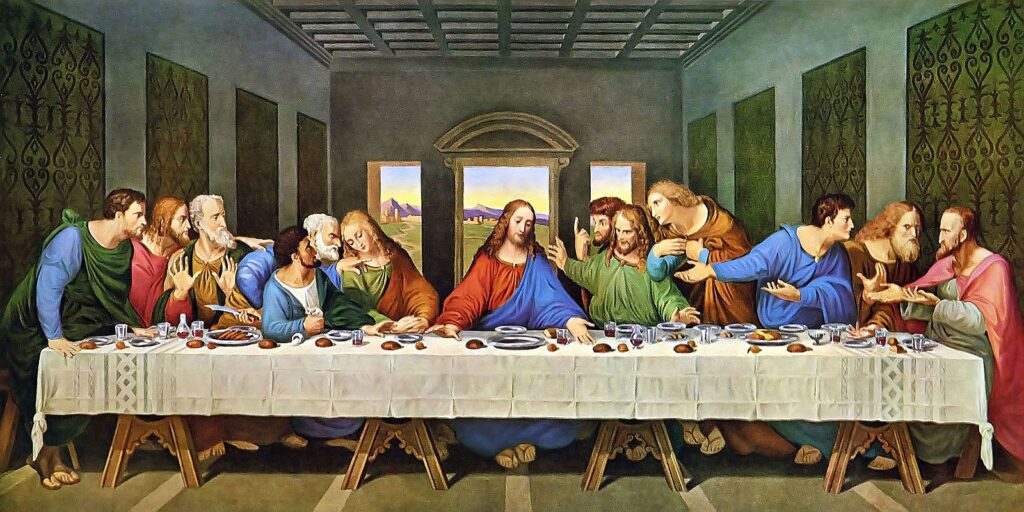
At St. Andrew’s, communion reminds us that our small parish belongs to a body far larger than Montevallo. We kneel at a modest altar, yet we are joined to a global church stretching across centuries.
Our industry has its own communion. It happens in conference halls, in IXPs, in shop floors and server rooms, in conversations that stretch longer than planned. When we gather with humility, the work feels connected to something larger than individual towers or quarterly metrics.
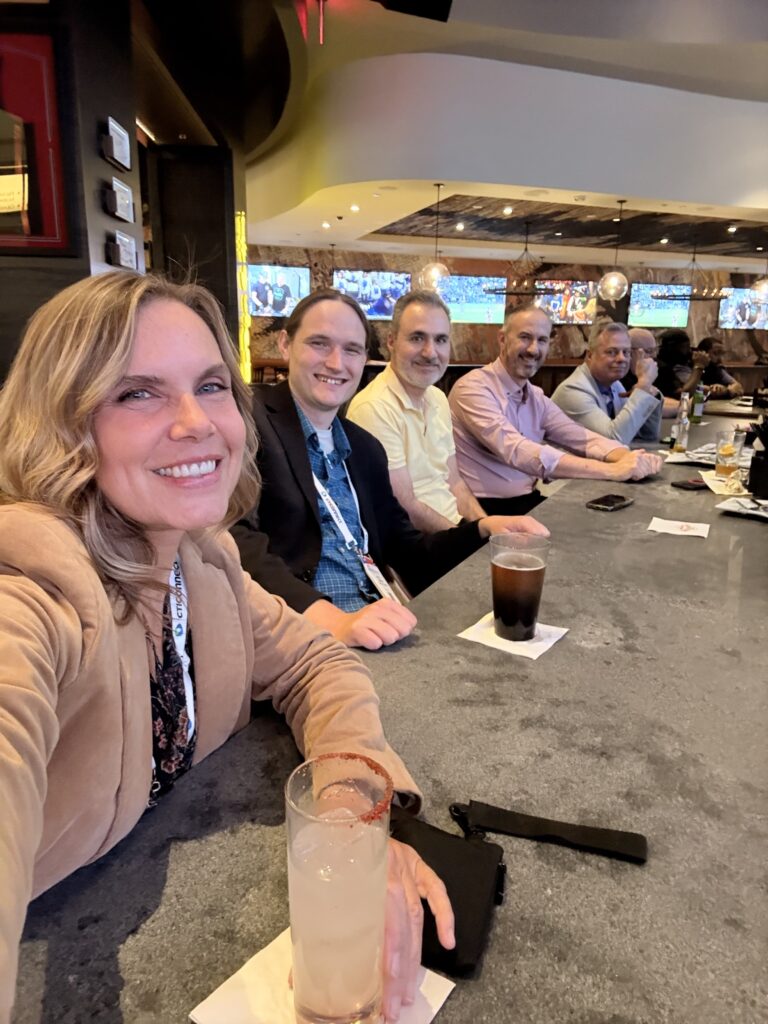
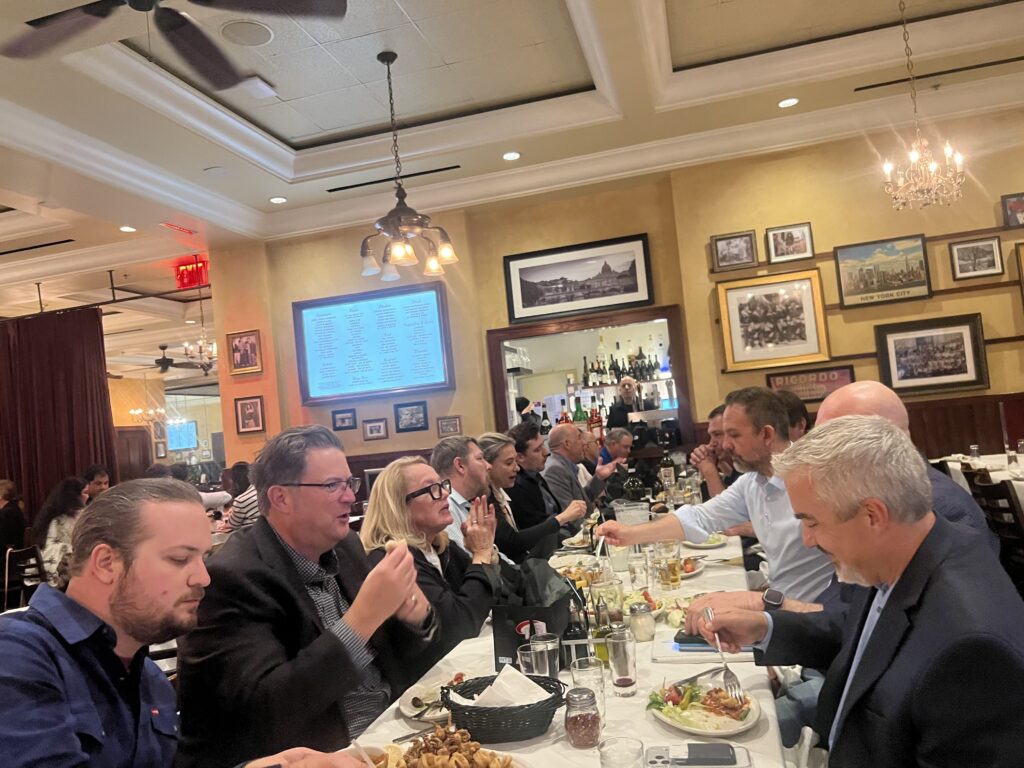
The priest and the operator of packets share more in common than one might expect. Both deal in invisible realities that shape visible lives. Both operate within inherited forms. Both depend less on novelty than on character.
Tarana or Nokia. Fiber or microwave. Dense urban market or rural delta town. The tools matter. But it’s the culture that shapes the outcome and experience for our customers and employees.
Sometimes standing in another parish allows you to see your own more clearly.
And sometimes walking another network reminds you why you started building in the first place.
Enjoyed this article?
Enter your email below to get notified when new posts go live.
Leave a Reply