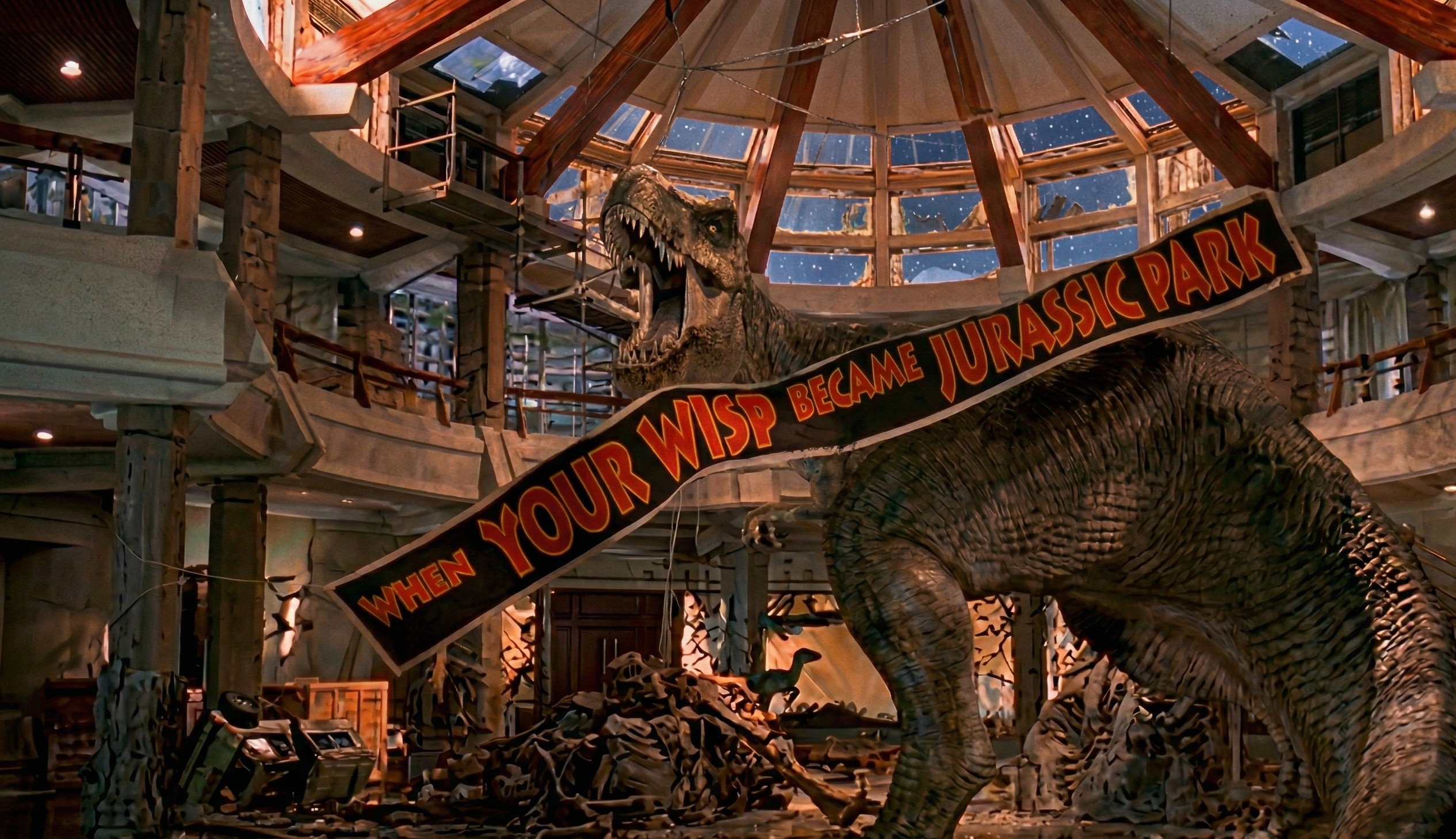
There is a moment near the beginning of the film, before anyone is running, before anything has gone wrong. The cars stop. Doors swing open. Alan Grant steps out into the light, and across the field, a Brachiosaurus lifts its head above the tree line.
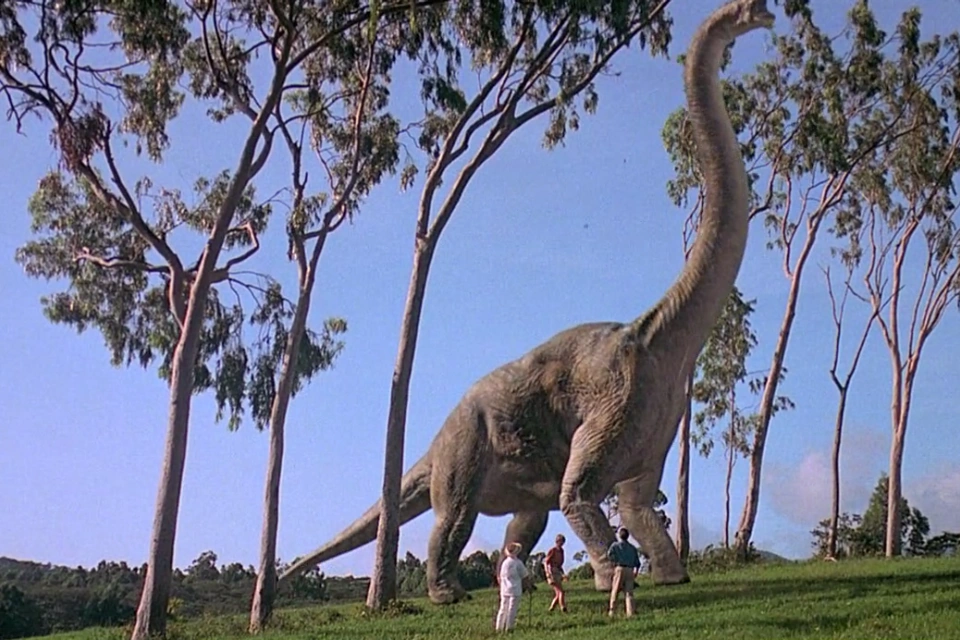
Grant has spent his entire career on his knees in the dirt, brushing dust off bones, trying to imagine what these creatures actually were. And here one stands. He cannot speak. He takes off his hat. He grabs Ellie by the head and turns her face toward it, because he cannot be the only one seeing this.
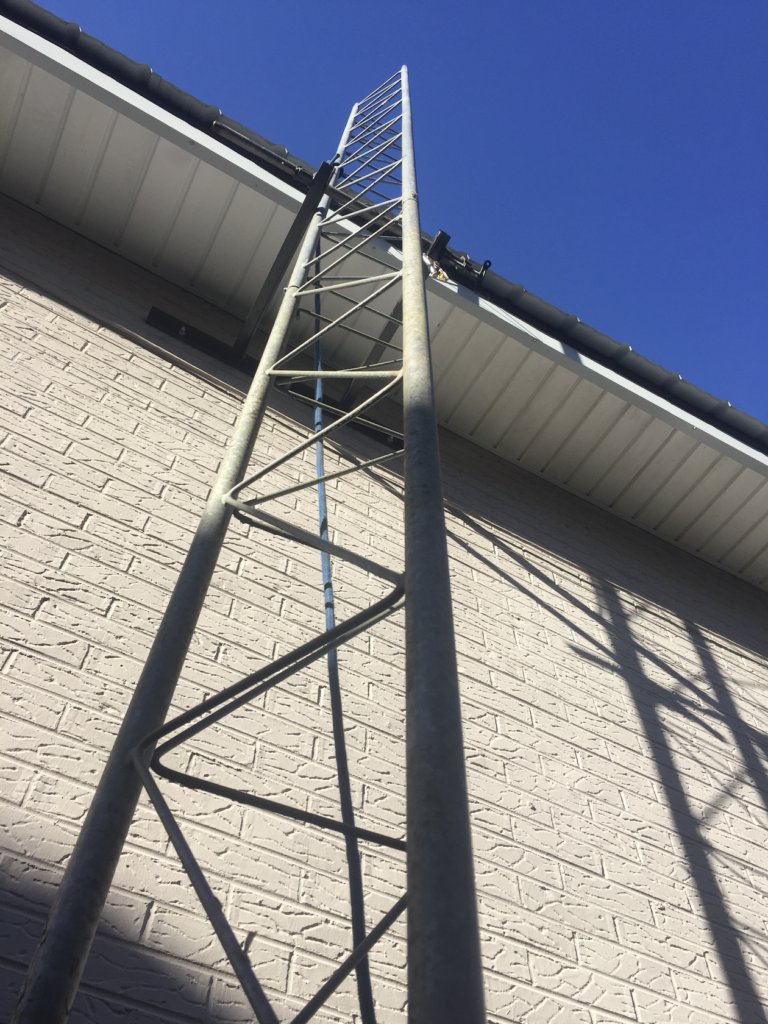
I remember standing at the base of my first ROHN25G in Centreville, Alabama, dirt on my boots, Alabama humidity and cold wind hitting hard and fast, my business partner Mr. Mike Hobson standing next to me. We had built it ourselves. A signal left our hands and landed somewhere it had never been, a house lit up, and I was Alan Grant with my hat in my hand, needing a witness. We did something we were not supposed to be able to do.
I have probably watched Jurassic Park twenty times. It took me an embarrassingly long number of those viewings to realize the film is not really about dinosaurs. It is about what happens after you build the miracle. Three things go wrong on that island, and I have done all three of them.
Remember who Grant was. A paleontologist, and a careful one. The sort of person who could hold a fossil fragment the size of a quarter and tell you what the animal ate and roughly when it died. Decades of fieldwork. He knew these creatures through evidence, not enthusiasm.
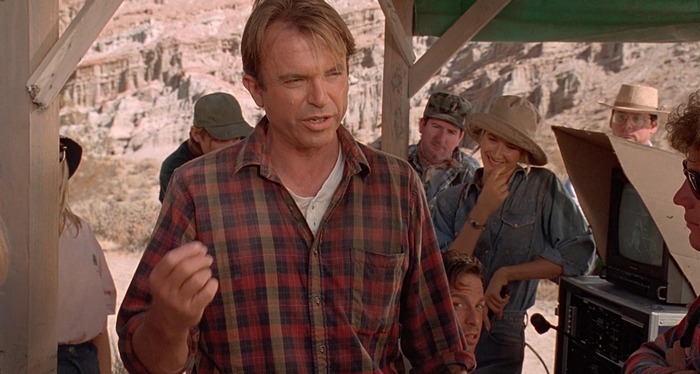
Hammond, the owner of Jurassic Park, flew him to the island, but not to learn anything. Hammond had already built his park. Fences up. Animals cloned. Gift shop stocked. He did not bring Grant out to ask, “What do you think we should do?” He brought him out to ask, “Isn’t it wonderful?” He wanted a rubber stamp from a doctorate.
Grant saw problems. He said so. He understood what it meant to underestimate something powerful just because you had built a fence around it. Hammond heard every word and kept right on moving. He had already decided.
I know this feeling from the inside, because I have been Hammond.
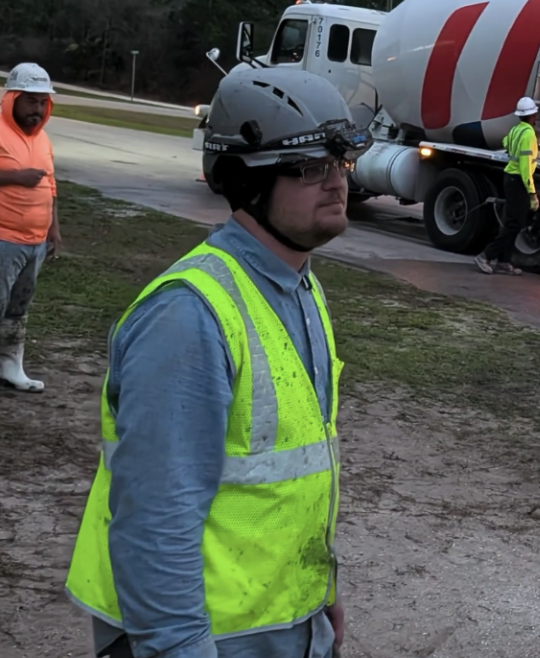
Tommy Waldrop is a seasoned tower construction expert. The kind of man who has climbed more steel than most of us will ever own combined. Tommy warned me once that the tower I had a camera mounted on was not properly grounded, and that I needed to address it quickly. I heard him. I understood the words. And I ignored him, because I wanted the PR buzz from having that camera up and running and I did not want to slow down for what felt like a minor detail.
A storm came and cooked that camera. Twelve hundred dollars, gone. Tommy was right and I knew he was right when he said it, and I did the thing anyway because I had already decided what I wanted to do. And here is the part that makes it worse: the failure was not pushing forward with an ungrounded tower. Sometimes you have to move fast and take on debt. The failure was not writing the ticket. Not putting a hard date on going back to fix it. I treated a temporary compromise like a permanent solution, and the storm did not care about my timeline. I had ample time to fix it – and did nothing.
Tommy, if you are reading this: you were right, I was wrong, and I owe you an apology. I suspect you already knew all three of those things, but it seems proper to say them out loud at least once.
You bring in someone who knows more than you. You sit across from them with your mind already made up. You want the credibility of having consulted an expert. You do not want to hear that the thing you already fell in love with, already talked about at the county commission meeting, already ordered equipment for, has something wrong with it. So when they push back, you find a second opinion that agrees with your first decision, and you call the original consultant “not really a fit for how we do things.”
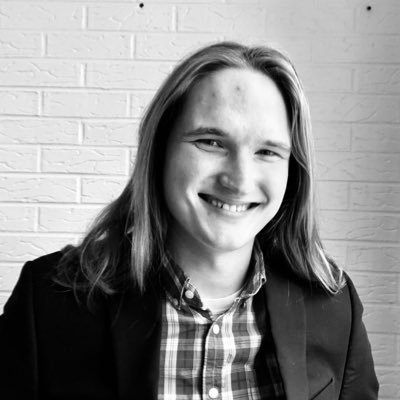
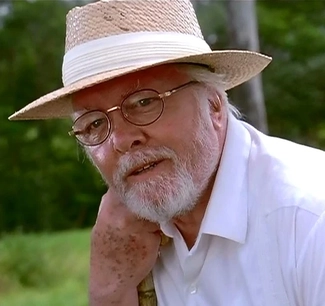
Will the REAL JOHN HAMMOND please stand up?
I should be honest about something else. I have been burned by consultants too. People who claimed experience they did not have. People who gave advice that was confidently wrong. That happens, and some of the cowboy skepticism toward outside expertise was honestly earned.
But that is some of it. It is not most of it. Most of the time we are just too proud to hear it. We have confused surviving with knowing, and those are very different things. A tower comes down in an ice storm because someone warned you about loading and you smiled and ordered the same mount anyway. A NID gets skipped to save forty minutes on an install so a house burns down.
The fix is boring and nobody wants to hear it: decide your non-negotiables when things are calm. Tower loading math. Grounding. Whatever your lines are, draw them before the competitor’s trucks show up in your county, because that is when decision fatigue sets in and you start making Hammond choices.
Then there is Dennis Nedry, and I think people get him wrong.
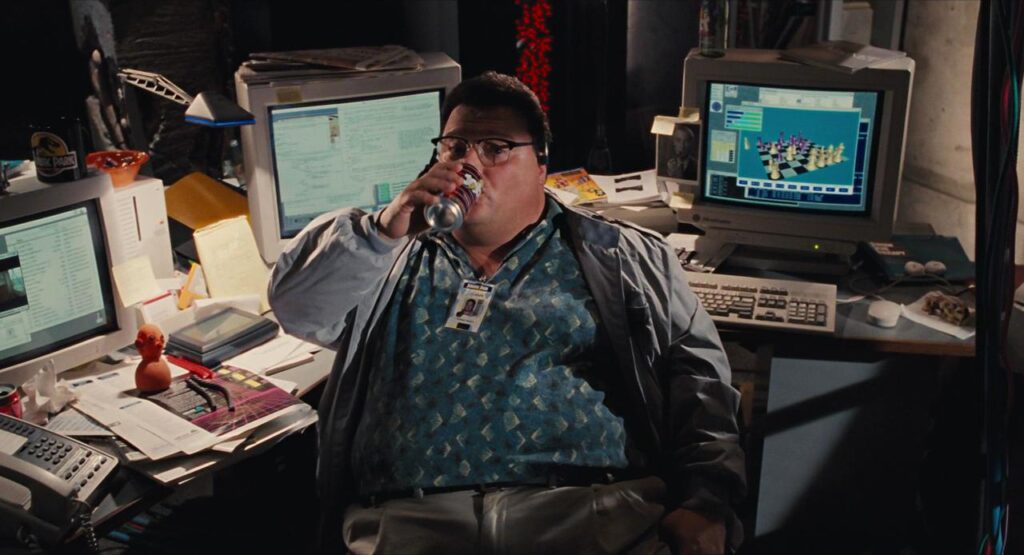
They remember him as the villain. But Nedry was poorly hired, poorly treated, and poorly understood. When pressure came, he made a choice that reflected exactly how much he valued the thing he had been entrusted with. Which was not much. But nobody had ever given him a reason.
Hammond hired for a skill set, filled the seat, moved on. Never asked whether Nedry was the kind of person who would feel the weight of what he was holding. Those felt like soft questions. Unmeasurable. Hammond liked things he could point to. Credentials. Capabilities. Things you could demonstrate on a screen.
If the culture had been built so that Nedry felt like a custodian of something worth protecting instead of a contractor squeezed on his last three invoices, that night might have gone differently. And in a system where one man walking out in the rain takes down every fence on the island, might is everything.
I have done this too. Needed a tech and hired the one who showed up. You are understaffed. You needed this seat filled two weeks ago and you are not going to run a personality assessment on a guy making twenty dollars an hour to watch UNMS alerts. I get it.
But here is what I have learned: a red dot on a screen means nothing to someone who has never seen what it represents. You want that tech to care? Take them on a ride-along. Show them the tower. Show them the clinic that loses its VoIP lines when that switch goes down, the school where remote learners go dark. You do not build a custodian by handing them a manual. You build one by showing them the dinosaurs they are keeping in the cages. Give them something small to own completely, and then when they catch a voltage drop at two in the morning that saves you a three-hundred-dollar truck roll, tell them so. Ownership breeds pride, and pride is the enemy of the apathy that took down Jurassic Park.
A network is a living thing with a thousand points where one person’s judgment determines what happens next. The people who touch it most are usually the ones you spent the least time choosing. And the least time investing in after you chose them.
And then there is Lex, Hammond’s granddaughter, sitting at a terminal while a Velociraptor tries to come through the door behind her.
“It’s a UNIX system. I know this.”
Click the link above. It’s worth a re-watch, I’m going somewhere with this.
People laugh at that line. They should not. The interface was real. Silicon Graphics built it, called it FSN, and it rendered your directory structure as a three-dimensional city you could fly through. Genuinely impressive engineering. Also an absolutely insane way to control the door locks that stood between human beings and apex predators.
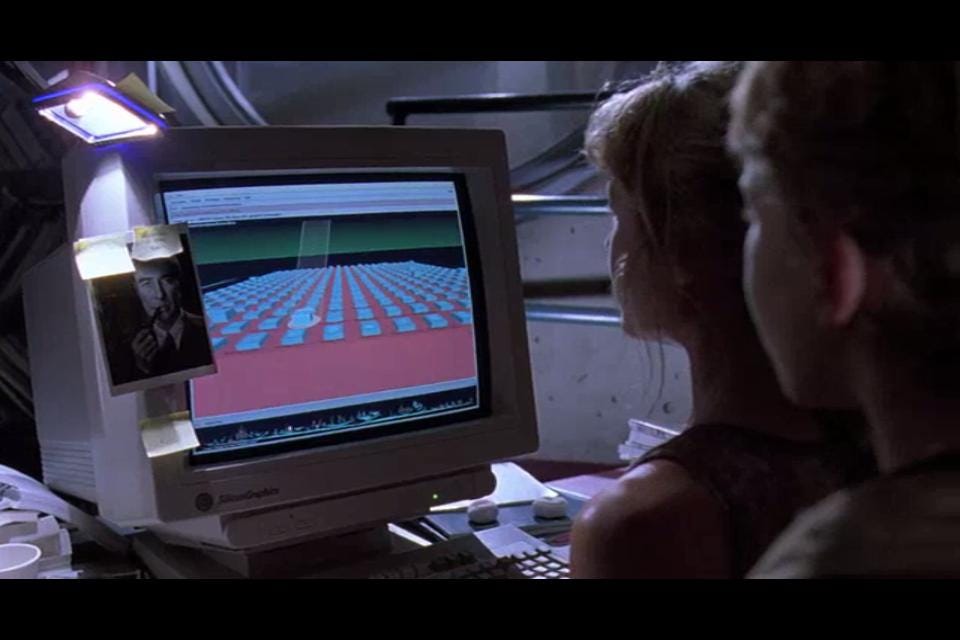
The engineers built it because they could, and nobody told them to stop. So when the worst moment came, a thirteen-year-old girl had to navigate a virtual cityscape to find the right file while a raptor tried to come through the door, and the interface added precious time to what should have been a five-second keystroke.
I see this all the time, and I will give you a specific example that costs our industry real money.
Magma EPC was supposed to be the open-source mobile core that brought LTE to the rest of us. And the engineering behind it is legitimately impressive. But they built it on Kubernetes orchestration, containerized everything, layered abstraction on top of abstraction, and made the whole thing so complex that a typical WISP operator cannot deploy it without hiring a DevOps team. That is not a knock on the engineers. They built what they knew how to build. But the result is that most small operators look at the complexity, throw up their hands, and go buy Tarana or another high-priced proprietary solution instead. LTE has incredible open possibilities for WISPs, and most of us will never touch them because someone built the on-ramp for Formula One when the people who needed it were driving pickup trucks.
My friend Louis Elliott, a fellow WISP operator with a consulting background, loves phrases like “is the juice worth the squeeze.” The South Florida consultant vibes may be rubbing off on me, but I am coming around to the idea that he is right to ask like this, and I should be doing the same more often in my own operation.

A similar mentality is exactly why I ended up building Rapid5GS on top of Open5GS. Open5GS does the same fundamental job, but it runs on a simple Linux stack. No Kubernetes. No container orchestration. No DevOps team. Just a working mobile core that a WISP operator can actually understand, deploy, and fix at two in the morning when something breaks. The juice is worth the squeeze because there is not that much squeezing.
The monitoring stack with fourteen panes that nobody can read when the backhaul drops. The automation that looks brilliant in a slide deck until the person who built it leaves and now you have a black box everyone is afraid to touch. Same disease, different symptoms. The raptor does not care how pretty your file browser looks.
Hammond stood at the edge of his park thinking he had built a miracle. He had. He just never learned that miracles do not maintain themselves.
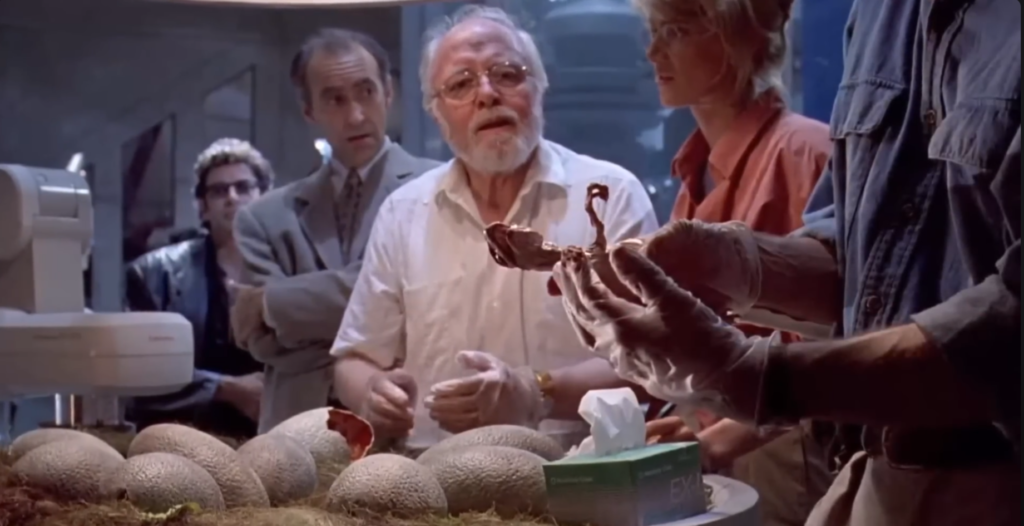
I told you at the top that three things go wrong on that island. Hammond ignored the expert. He neglected the person holding the keys. And his engineers built something so clever it almost killed everyone when the moment came to actually use it.
I have done all three. Some of them more than once.
I can still see that ROHN25G against the sky in Centreville. I can still feel what it felt like to watch that first house light up. That wonder does not go away. But it will not protect you from what comes next.
The only thing that protects you is whether you learned anything from the last time the storm came and cooked something you loved.
Enjoyed this article?
Enter your email below to get notified when new posts go live.


Leave a Reply